


How Does Dyolorite Work?
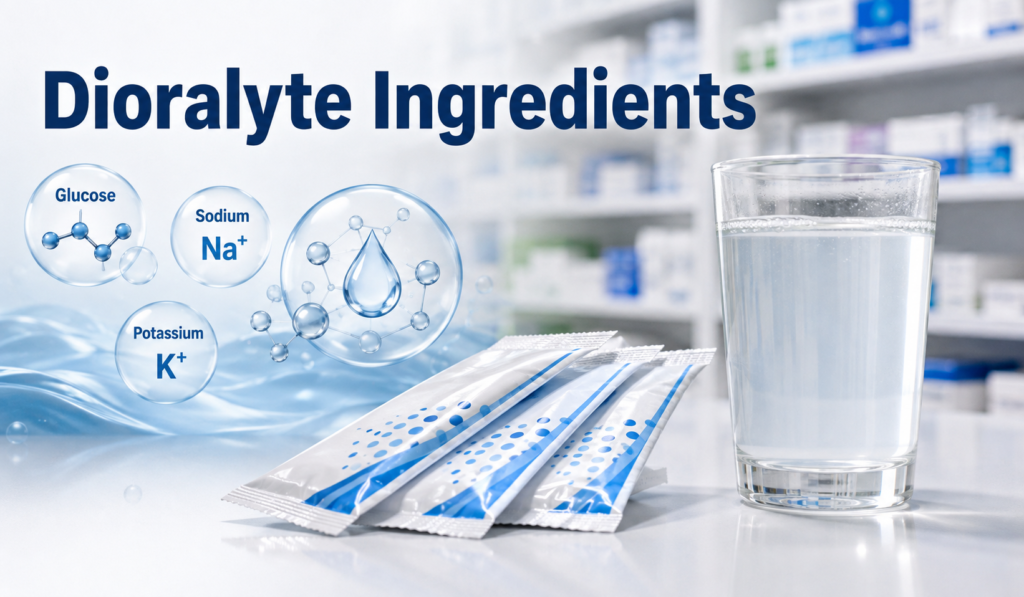
Dyolorite works through a simple but important hydration process. Its solution contains glucose and electrolytes, including sodium and potassium, which help the small intestine absorb water into the body. This makes oral rehydration more effective than simply drinking plain water when significant fluid and salt losses have occurred. The aim is not to stop diarrhea directly but to reduce the risk of dehydration by replacing the fluids and minerals that have been lost.
What Is Dyolorite Used For?
Dyolorite is mainly used to prevent or treat dehydration associated with diarrhea and vomiting. When the body loses large amounts of fluid, it also loses important electrolytes, and replacing both is essential for maintaining normal body function. Oral rehydration solutions can be especially useful when someone is unable to maintain adequate hydration through normal food and drinks alone.
Dyolorite and Diarrhea
Diarrhea can cause the body to lose considerable amounts of water and electrolytes in a relatively short period. Drinking an appropriate oral rehydration solution can help replace these losses and support hydration while the diarrhea continues. Dyolorite does not treat every possible cause of diarrhea, so persistent, severe, or unusual symptoms may require medical assessment.
Dyolorite and Vomiting
Vomiting can make hydration difficult because fluids may be lost soon after they are consumed. Small, frequent amounts of an oral rehydration solution may be easier to tolerate than drinking a large quantity at once. If vomiting continues and fluids cannot be kept down, medical advice may be necessary because dehydration can become serious.
Why Oral Rehydration Is Important
Water is essential, but dehydration caused by diarrhea or vomiting involves more than losing water alone. The body can also lose sodium, potassium, and other electrolytes that are important for normal cellular and muscle function. Oral rehydration solutions are designed to replace these substances in appropriate proportions, which is why they are commonly recommended when fluid and electrolyte losses are significant.
How to Prepare Dyolorite
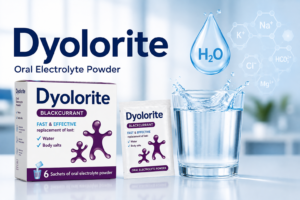
Dyolorite should be prepared exactly according to the instructions provided with the product. The contents of the sachet are generally mixed with the specified amount of clean drinking water, and using the correct amount of water is important because making the solution too concentrated or too diluted can affect its effectiveness and safety. Do not add extra sugar, salt, juice, or other ingredients unless the product instructions specifically tell you to do so.
How to Take Dyolorite
Dyolorite is usually taken by drinking the prepared solution in small, regular amounts. Someone who feels nauseated may find it easier to take frequent small sips rather than consuming a large amount at once. The appropriate quantity depends on factors such as age, the severity of fluid loss, and individual circumstances, so the product instructions or advice from a healthcare professional should guide use rather than relying on a single dose for everyone.
Dyolorite Dosage
There is no single dosage that is suitable for every person because fluid requirements can vary considerably. Children, adults, and older people may have different hydration needs, while the amount required can also depend on how much fluid has been lost. Always follow the dosage and preparation directions supplied with the specific Dyolorite product, and seek professional advice when dehydration appears significant or symptoms are severe.
Dyolorite for Children
Children can become dehydrated more quickly than adults, particularly when diarrhea or vomiting is frequent. An oral rehydration solution may help replace lost fluids and electrolytes, but parents and caregivers should follow the product instructions carefully and pay attention to warning signs such as unusual sleepiness, a very dry mouth, reduced urination, sunken eyes, or an inability to drink. Very young children with significant fluid loss should be assessed promptly by a healthcare professional.
Dyolorite for Adults
Adults experiencing diarrhea or vomiting may use an oral rehydration solution to help replace lost fluids and electrolytes. It can be particularly useful when ordinary drinks are not adequately replacing the body’s electrolyte losses. However, adults with severe diarrhea, persistent vomiting, blood in the stool, severe abdominal pain, confusion, or signs of serious dehydration should seek medical attention rather than relying only on an oral rehydration product.
When Should You Avoid Self-Treating Dehydration?
Mild dehydration can often be managed with appropriate fluids and oral rehydration solutions, but some situations need professional assessment. Seek medical advice if symptoms are severe, continue for an extended period, or are accompanied by confusion, fainting, severe weakness, very little or no urine, blood in the stool, persistent vomiting, or significant abdominal pain. Babies, elderly people, and individuals with certain medical conditions may also require earlier medical attention.
Possible Side Effects
When prepared and used correctly, oral rehydration solutions are generally well tolerated. Some people may experience mild nausea or vomiting, particularly when they are already unwell. Taking small sips can sometimes make the solution easier to tolerate. If unusual symptoms develop or a person becomes increasingly unwell despite rehydration, it is important to seek medical advice rather than continuing treatment without assessment.
Important Safety Considerations
The preparation instructions matter just as much as the ingredients. Always use the recommended amount of water and avoid storing prepared solution beyond the period specified on the packaging. Keep sachets stored according to the manufacturer’s instructions and away from children. People with conditions that affect fluid or electrolyte balance may need individual medical advice before using an oral rehydration product.
Dyolorite vs. Plain Water
Plain water can be useful for everyday hydration, but it does not replace electrolytes that may be lost through significant diarrhea or vomiting. Dyolorite is formulated to provide both fluid and key electrolytes, making it more appropriate when dehydration is linked to substantial fluid loss. This does not mean that plain water has no role; rather, the best choice depends on the circumstances and severity of dehydration.
Can Dyolorite Stop Diarrhea?
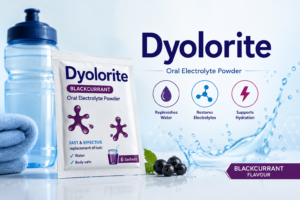
Dyolorite is not primarily a medicine for stopping diarrhea. Its main purpose is to help prevent or treat dehydration caused by fluid and electrolyte losses. Diarrhea can have many causes, including infections, food-related illness, medication effects, and other conditions, so treating the underlying cause may require a different approach. The priority during significant fluid loss is maintaining adequate hydration.
What Should You Drink During Diarrhea?
During diarrhea, fluids should be taken regularly to replace what the body is losing. An appropriate oral rehydration solution can provide both water and electrolytes, while other suitable fluids may also contribute to overall hydration. Very sugary drinks may not be ideal as the main replacement for an oral rehydration solution because their composition is different. If diarrhea is severe or persistent, professional medical advice is important.
How to Recognize Dehydration
Recognizing dehydration early can make a significant difference. Common signs include thirst, a dry mouth, darker urine, reduced urination, tiredness, dizziness, and weakness. More serious dehydration may cause confusion, extreme drowsiness, fainting, very little urine, or a rapid deterioration in overall condition. Anyone showing serious warning signs should receive urgent medical assessment.
How to Store Dyolorite
Store unopened Dyolorite sachets according to the instructions on the packaging and keep them in a dry location away from excessive heat and moisture. Once the solution has been prepared, follow the manufacturer’s instructions regarding storage and how long it remains suitable for use. Prepared oral rehydration solution should not be kept indefinitely, because cleanliness and storage conditions can affect its safety.
Conclusion
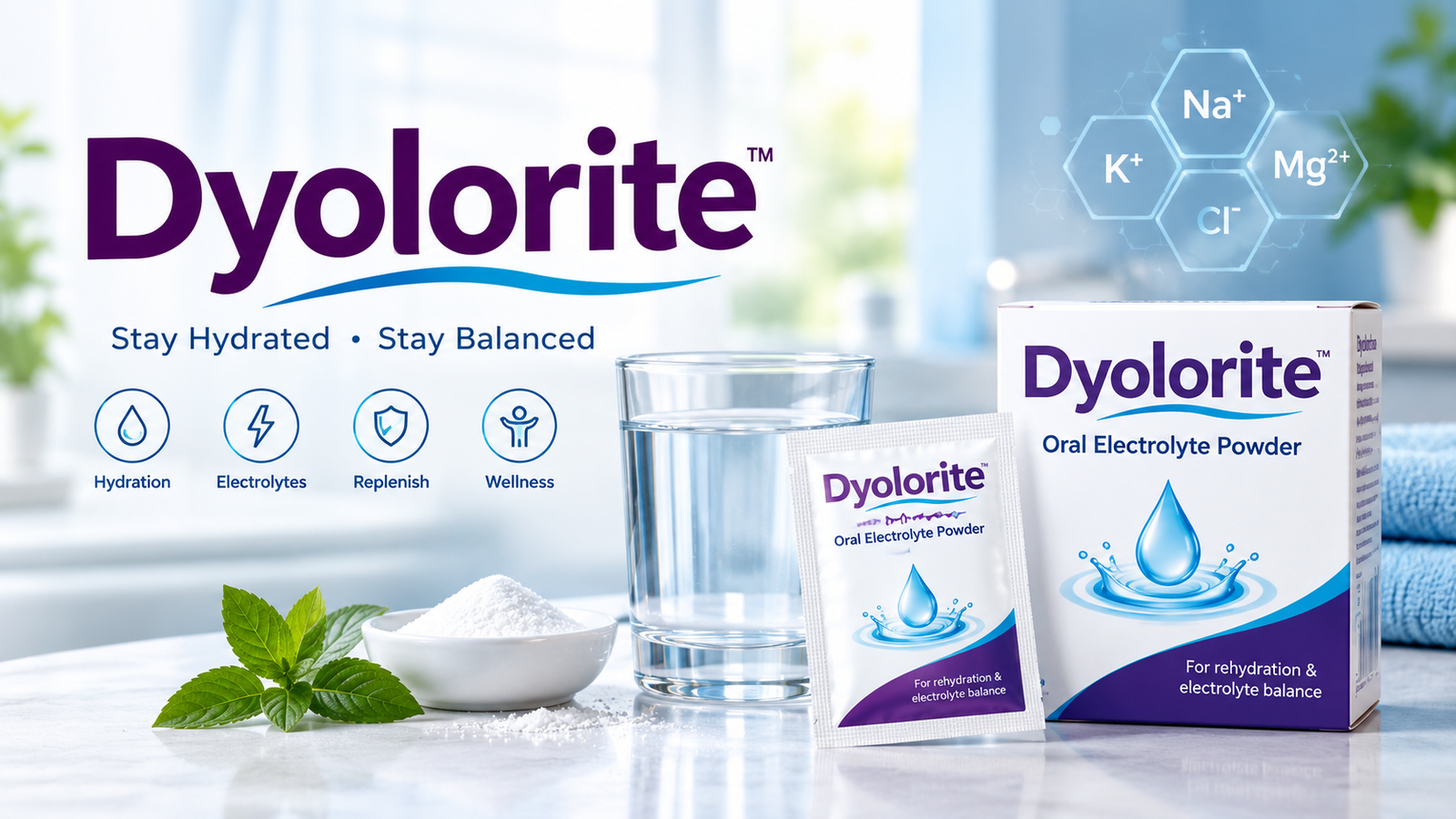
Dyolorite is designed to support hydration when the body loses water and electrolytes, particularly during episodes of diarrhea and vomiting. Its value comes from the balance of fluids, salts, and glucose that helps the intestine absorb water efficiently. Used correctly, an oral rehydration solution can be a practical part of managing dehydration, but it should not replace medical care when symptoms are severe, persistent, or accompanied by warning signs. Following the product instructions carefully is the safest way to use it.
Frequently Asked Questions
What is Dyolorite used for?
Dyolorite is an oral rehydration solution used to help replace water and electrolytes lost through diarrhea, vomiting, and other causes of dehydration.
Can Dyolorite be used for children?
Yes, oral rehydration solutions can be used for children when appropriate, but the preparation and amount should follow the product instructions and professional guidance when necessary.
Does Dyolorite stop diarrhea?
No. Dyolorite primarily helps replace fluids and electrolytes lost because of diarrhea rather than directly stopping the diarrhea itself.
How quickly does Dyolorite work?
The body can begin absorbing the water and electrolytes from an oral rehydration solution relatively quickly, although the time needed to improve dehydration depends on the severity of fluid loss and the person’s condition.
Can I drink Dyolorite after vomiting?
An oral rehydration solution may be useful after vomiting, but taking small, frequent sips can be easier to tolerate than drinking a large amount at once. Persistent vomiting requires medical advice.