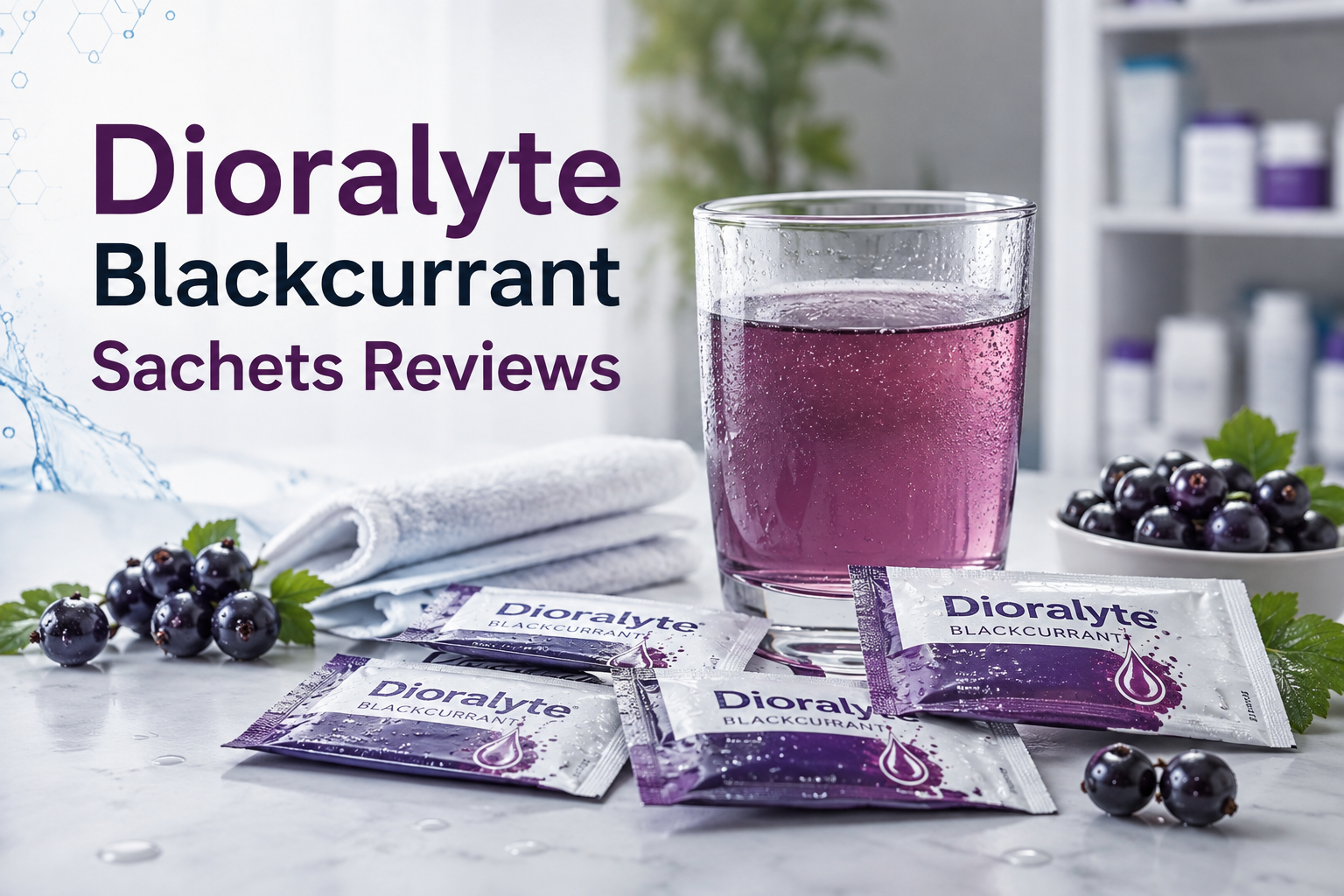
Read Dioralyte Blackcurrant sachets reviews covering uses, ingredients, taste, dosage, benefits, precautions and what to know before using them. Dioralyte Blackcurrant sachets reviews, are these sachets actually useful when diarrhoea or fluid loss leaves you feeling drained? Dioralyte is an oral rehydration medicine designed to replace water and essential salts lost during acute diarrhoea. The blackcurrant version contains glucose, sodium chloride, potassium chloride and disodium hydrogen citrate, and each sachet is prepared with 200 ml of drinking water.
What Are Dioralyte Blackcurrant Sachets?
Dioralyte Blackcurrant sachets are a powdered oral rehydration treatment. Rather than acting like a conventional anti-diarrhoea medicine, the main purpose is to help restore fluids and electrolytes that the body loses. This distinction matters because diarrhoea can cause significant water and salt loss, particularly when it is frequent or accompanied by vomiting. The product information states that Dioralyte is used for the oral correction of fluid and electrolyte loss associated with acute watery diarrhoea.
Dioralyte Blackcurrant Sachets Reviews: The Overall Verdict
The overall verdict is positive when the product is used for its intended purpose. Dioralyte does not promise to make diarrhoea disappear instantly, but it addresses one of the main concerns that comes with diarrhoea: dehydration. The practical appeal is also fairly straightforward. A sachet is mixed with water, and the resulting drink provides glucose and electrolytes in a formulation designed for oral rehydration. For someone feeling weak, thirsty or depleted after losing fluids, that can make it a useful part of short-term diarrhoea management.
How Does Dioralyte Work?
The formulation combines glucose with important electrolytes including sodium and potassium. Oral rehydration solutions use this combination to help the body absorb water and replace salts lost through fluid loss. The official product information explains that the basic principle of diarrhoea treatment is to replace lost fluid and electrolytes and then maintain enough fluid intake to compensate for continuing losses.
What Does Dioralyte Blackcurrant Taste Like?
Taste is one of the most subjective parts of any Dioralyte review. The blackcurrant flavour is intended to make the rehydration drink more palatable than a completely plain electrolyte solution, but individual preferences naturally differ. Some people may find the flavour reasonably easy to drink, while others may notice the characteristic salty or medicinal quality associated with oral rehydration products. In practice, the most important factor is whether the person can comfortably drink enough of the correctly prepared solution.
How Do You Prepare Dioralyte Blackcurrant?
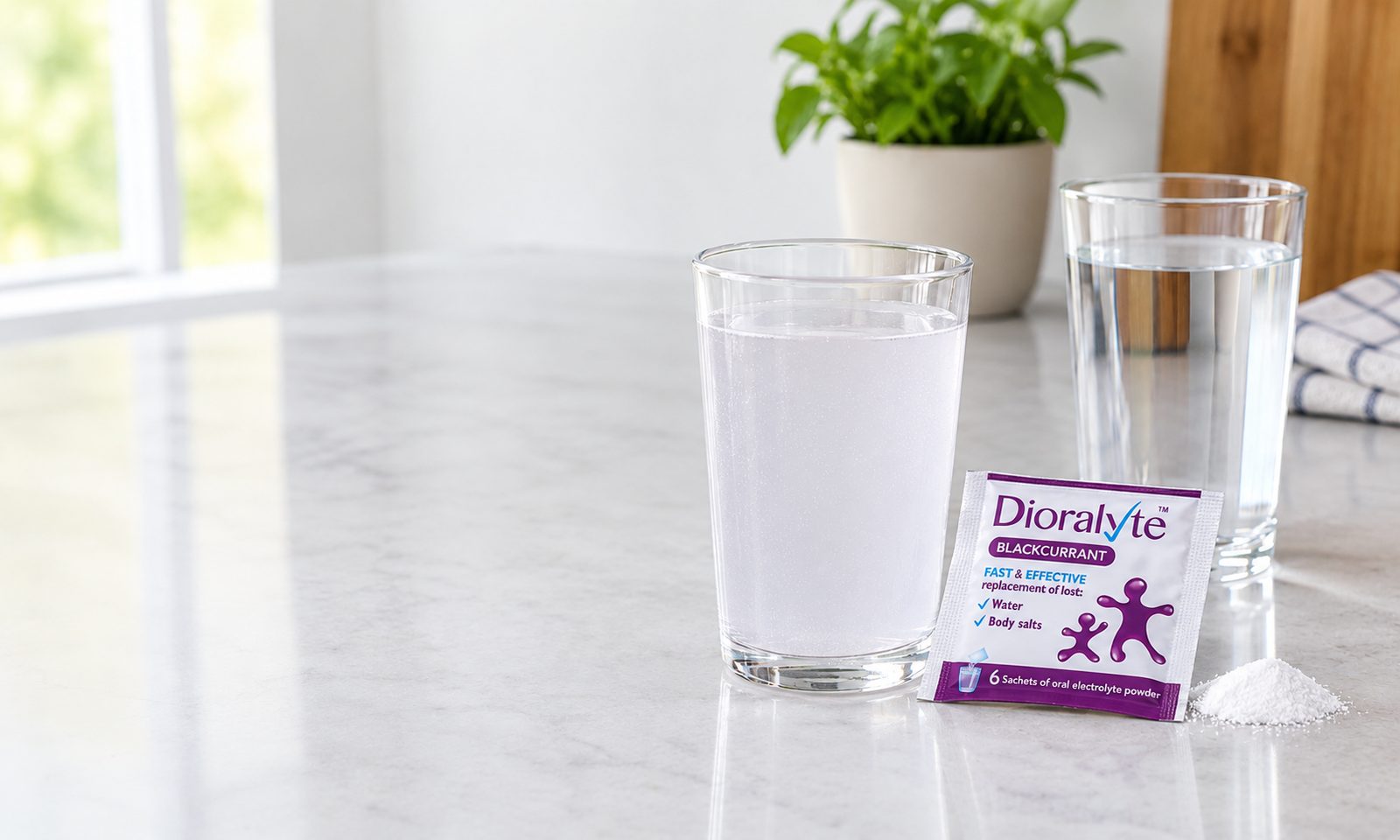
Preparation is simple, but accuracy matters. The contents of one sachet should be dissolved in 200 ml of drinking water and mixed properly before drinking. The manufacturer information specifically warns against using a different amount of water because changing the concentration can affect the balance of glucose and electrolytes. The prepared solution should also be handled according to the product instructions rather than treated like an ordinary flavoured drink.
Why Is the 200 ml Measurement Important?
It can be tempting to add extra water if the taste seems strong, but that is not recommended. The official information says that a weaker-than-recommended solution may not provide the optimal glucose and electrolyte concentration, while a stronger solution can contribute to electrolyte imbalance. That is why the 200 ml instruction is more than a serving suggestion; it is part of using the medicine correctly.
What Are the Main Ingredients?
The standard Dioralyte Blackcurrant formulation contains glucose, sodium chloride, potassium chloride and disodium hydrogen citrate. The product database lists these as its active ingredients, while blackcurrant flavour and other excipients are included to create the finished sachet. Together, the active ingredients are intended to support replacement of fluid and electrolytes during acute diarrhoea.
Is Dioralyte Just a Sports Drink?
No. Although both sports drinks and oral rehydration solutions can contain electrolytes, Dioralyte is a medicinal product specifically intended for fluid and electrolyte replacement associated with acute diarrhoea. Boots describes the product as being indicated for replacement of essential body water and salts in the treatment of acute diarrhoea. It should therefore be used according to its instructions rather than treated simply as a flavoured hydration beverage.
When Is Dioralyte Most Useful?
Dioralyte can be particularly useful when diarrhoea is causing noticeable fluid loss and there is a risk of dehydration. Early replacement of lost water and salts is important, which is why oral rehydration solutions are commonly used during acute diarrhoeal illness. The product information specifically notes that early use is important to help avoid dehydration, particularly among young children and older people.
Dioralyte Dosage for Adults
For adults, the product information states that one or two sachets may be taken after each loose motion, with each sachet dissolved in 200 ml of water. The appropriate amount can depend on the severity of fluid loss and the individual situation, so the package leaflet and advice from a pharmacist or healthcare professional should take priority. Excessive fluid loss may require medical assessment rather than relying on self-treatment alone.
Can Children Take Dioralyte?
Dioralyte products have formulations and directions covering children, but age is important. The standard product information includes children and infants among the indicated groups, while also stating that infants under two years with diarrhoea should be medically assessed as soon as possible and that use for self-treatment in infants below 24 months should not occur without medical supervision. Parents should therefore check the specific product leaflet and seek professional advice rather than simply applying an adult dose to a child.
What About Older Adults?
Older adults can be more vulnerable to dehydration, particularly when diarrhoea is frequent or fluid intake has fallen. Dioralyte can help replace water and electrolytes when appropriate, but age alone does not remove the need to consider underlying medical conditions or medications. The official product information says there are no specific precautions required solely because someone is elderly, although excessive fluid loss still warrants appropriate medical attention.
Does Dioralyte Stop Diarrhoea?
This is one of the most important points in any Dioralyte review. Dioralyte is primarily designed to correct fluid and electrolyte loss; it is not the same thing as a medicine that directly suppresses bowel movements. You may feel better as hydration improves, but that does not necessarily mean the underlying cause of diarrhoea has immediately disappeared. Its main role is supporting hydration while the acute illness settles or while appropriate medical care is sought.
How Quickly Can You Feel Better?
There is no universal timeframe because the cause and severity of diarrhoea vary widely. Someone who is mildly dehydrated may notice improvement in thirst, weakness or general tiredness after replacing lost fluids, while someone with ongoing heavy losses may continue to feel unwell despite taking an oral rehydration solution. Dioralyte should therefore be viewed as part of fluid replacement rather than a guaranteed rapid cure.
What Do Reviews Say About Value?
Price naturally varies between retailers and pack sizes. For example, Boots currently lists a six-sachet standard Blackcurrant pack and a 20-sachet pack, with prices changing over time. Value therefore depends on the pack size, retailer and how frequently the product is needed. For occasional use, convenience can be more important than finding the absolute cheapest electrolyte product.
What Do People Usually Look For in Reviews?
When people search for Dioralyte Blackcurrant sachets reviews, they commonly want information about effectiveness, flavour, ease of preparation, price and whether the product is suitable for their particular situation. These are sensible questions, but personal reviews should not replace the official instructions. A person’s experience can tell you whether they liked the flavour or found the product convenient, but it cannot establish whether Dioralyte is medically appropriate for another person.
Are There Any Side Effects or Precautions?
Like any medicine, Dioralyte is not appropriate for everyone. The product information highlights particular precautions for people with conditions such as kidney or liver disease, diabetes, or those following low-potassium or low-sodium diets. It also warns against self-treatment of chronic or persistent diarrhoea. Anyone with an existing medical condition or uncertainty about whether the product is appropriate should speak with a pharmacist or doctor.
Who Should Be Particularly Careful?
People with significant kidney problems, liver disease, diabetes or dietary restrictions involving sodium or potassium should not assume that an oral rehydration product is automatically suitable. The official information specifically identifies these situations as reasons Dioralyte should not be used for self-treatment without appropriate medical supervision. This is one area where a generic online review cannot replace individual medical advice.
What If You Vomit After Taking It?
Vomiting can make oral rehydration difficult because the body may struggle to retain fluids. The product information provides specific guidance for some situations involving vomiting and diarrhoea, particularly in infants, but persistent vomiting can also be a reason to seek medical advice. If someone cannot keep fluids down, relying on repeated large drinks may not be enough to manage dehydration safely.
How Should Prepared Dioralyte Be Stored?
The official product information says the solution should be made immediately before use. It may be stored for up to 24 hours in a refrigerator, while solution left at room temperature for more than an hour should be discarded. The solution itself should not be boiled. These details are easy to overlook, but they matter when preparing several doses during an illness.
Dioralyte Blackcurrant vs Dioralyte Relief Blackcurrant
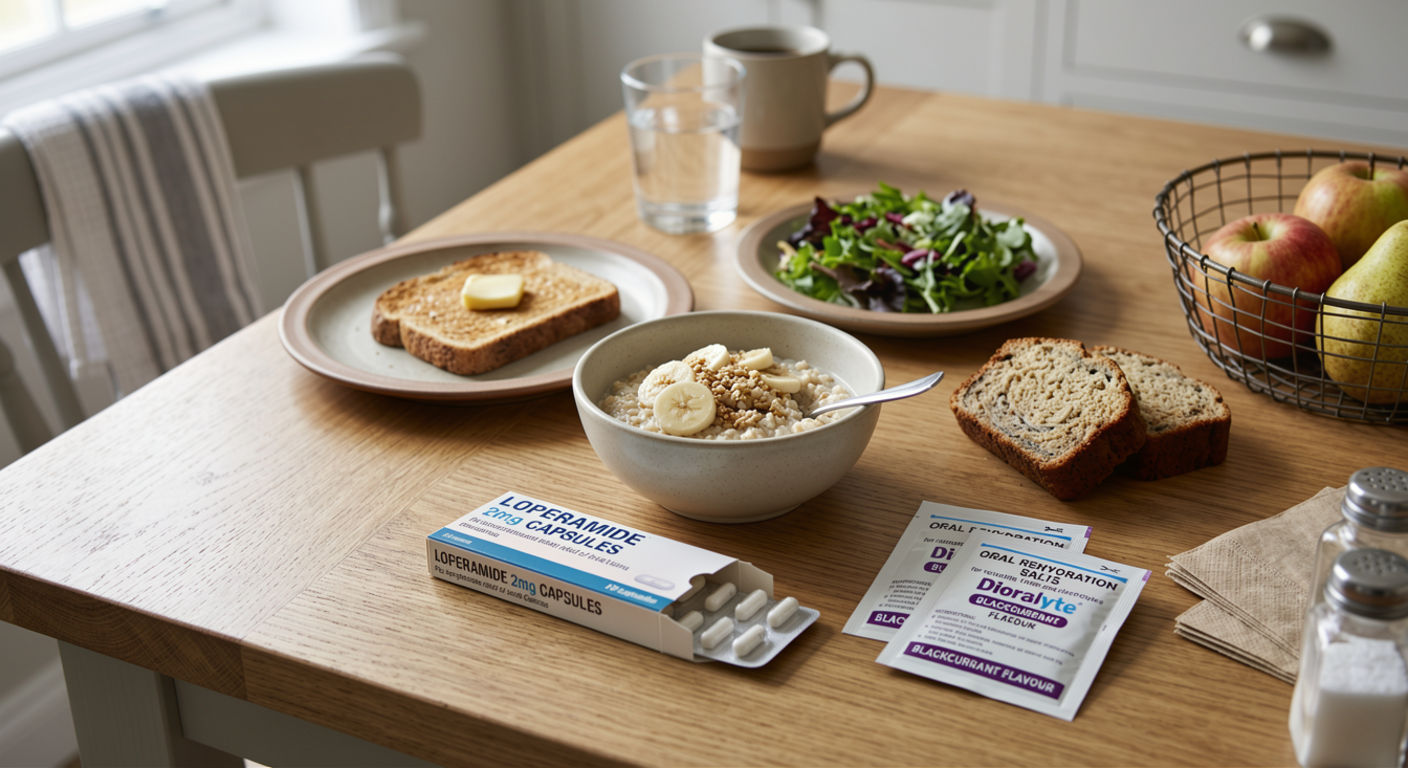
There is an important naming detail worth knowing because the products are not identical. Standard Dioralyte Blackcurrant uses glucose, sodium chloride, potassium chloride and disodium hydrogen citrate, whereas Dioralyte Relief Blackcurrant uses pre-cooked rice powder, sodium citrate, sodium chloride and potassium chloride. The Relief product has its own directions and indications, so consumers should check the exact product name on the packaging rather than assuming all Dioralyte sachets are interchangeable.
Is Blackcurrant the Best Flavour?
There is no objective answer because flavour preference is personal. Blackcurrant can be appealing to people who prefer fruit flavours, especially when they are already feeling unwell and want something easier to drink. However, flavour should come after correct preparation and suitability. The best oral rehydration solution is ultimately the one that is appropriate for the person and can be taken according to its instructions.
What Makes Dioralyte Different From Plain Water?
Plain water replaces water, but diarrhoea can also result in the loss of important electrolytes. Dioralyte is formulated specifically to replace both fluid and salts, which is why it has a defined balance of glucose and electrolytes rather than simply being water with flavouring. That makes the product more targeted for the situation it is designed to address.
When Should You Seek Medical Advice?
Dioralyte should not become a reason to delay medical care. The product information states that medical assessment is needed if diarrhoea continues for longer than 24 to 48 hours, and excessive fluid loss can also require professional treatment. Severe dehydration may need fluids through a medical route rather than oral rehydration alone.
What Are the Signs of Dehydration?
Common warning signs can include unusual thirst, a dry mouth, reduced urination, dizziness, weakness and worsening tiredness. More serious dehydration can become an emergency, particularly in young children, older adults and people who are already medically vulnerable. If symptoms are severe, rapidly worsening or accompanied by other concerning signs, professional medical assessment is more important than relying on an online product review.
Conclusion
Dioralyte Blackcurrant sachets are best understood as a rehydration treatment, not a quick-fix diarrhoea medicine. The formulation is designed to replace water and essential salts, while the blackcurrant flavour gives users an alternative to plain oral rehydration solutions. Reviews can be useful for judging practical factors such as taste and convenience, but the official product information should always guide questions about dosage, suitability and precautions. If diarrhoea is severe, persistent or accompanied by signs of significant dehydration, seeking medical advice should take priority over continuing self-treatment.
Frequently Asked Questions
1. What are Dioralyte Blackcurrant sachets used for?
They are used for oral replacement of fluid and electrolytes lost during acute diarrhoea. Each sachet is mixed with 200 ml of water before use.
2. Do Dioralyte Blackcurrant sachets stop diarrhoea?
Not directly. Their primary purpose is to replace lost fluids and electrolytes and help prevent or correct dehydration associated with diarrhoea.
3. How much water should be added to one sachet?
One sachet should be dissolved in 200 ml of drinking water. The recommended amount should not be changed.
4. Can children take Dioralyte?
Dioralyte has indications covering children, but dosing depends on age and circumstances. Infants under two years with diarrhoea should receive medical assessment, and self-treatment below 24 months is not recommended without medical supervision.
5. Is Dioralyte Blackcurrant the same as Dioralyte Relief Blackcurrant?
No. The two formulations contain different active ingredients and have different product directions. Always check the exact name and leaflet of the product you have.

One thought on “Dioralyte Blackcurrant Sachets Reviews and User Guide”