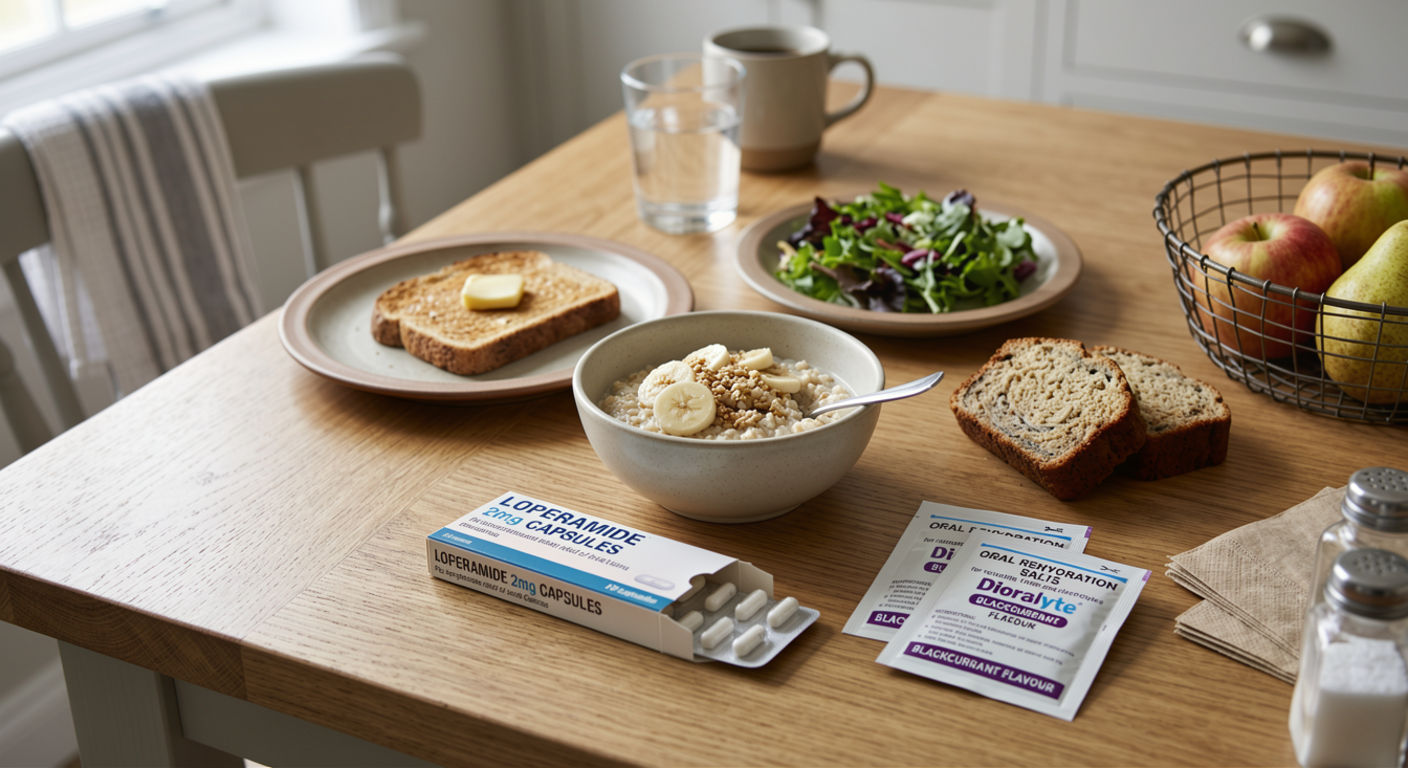
Can you take Dioralyte and Imodium together? Learn how they work, when they may be used, dosing cautions, hydration advice, and when to seek help. Yes, Dioralyte and Imodium can generally be used together for short-term diarrhoea because they work in different ways. Dioralyte is an oral rehydration solution that helps replace water and electrolytes lost through diarrhoea, while Imodium contains loperamide, which slows movement through the bowel and can reduce the frequency of loose stools. Oral rehydration remains important because stopping diarrhoea does not automatically replace the fluids and salts your body has already lost.
What Is Dioralyte?
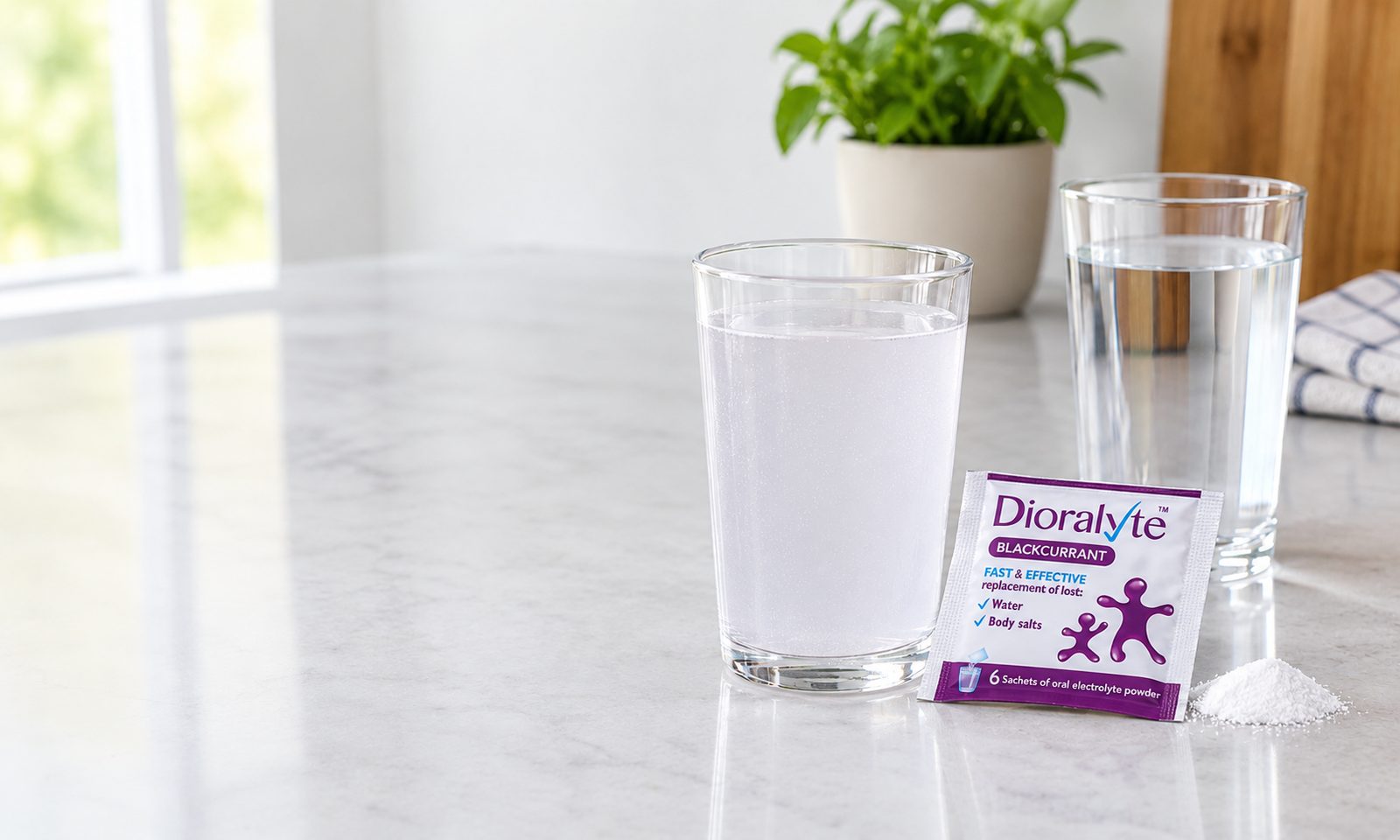
Dioralyte is an oral rehydration treatment designed to replace fluids and electrolytes lost during diarrhoea. Standard Dioralyte formulations contain ingredients such as sodium chloride, potassium chloride, glucose and citrate, which work together to help the body absorb fluid. The sachet should be prepared according to the instructions on the particular product, rather than being mixed with an arbitrary amount of water. For example, standard Dioralyte sachets are designed to be dissolved in 200 ml of water.
What Is Imodium?
Imodium is a brand name for loperamide, an antidiarrhoeal medicine used to reduce diarrhoea. It works by slowing the movement of food and fluid through the intestine, giving the bowel more time to absorb water and making stools less watery and less frequent. Loperamide can be useful when someone needs short-term control of diarrhoea, but it does not replace the fluids and electrolytes lost during the illness.
Can You Take Dioralyte and Imodium Together?
For many adults with uncomplicated short-term diarrhoea, Dioralyte and Imodium can be taken during the same illness because they have different purposes. Dioralyte focuses on hydration and electrolyte replacement, while loperamide focuses on reducing bowel movements. There is no known interaction listed for Dioralyte itself in its product information, while NHS guidance describes oral rehydration sachets as an option alongside loperamide when treating diarrhoea.
Why Would Someone Use Both?
Using both can make sense when diarrhoea is causing frequent loose stools and there is also a concern about losing too much fluid. Imagine someone who has several watery bowel movements during the day and needs to leave home for a few hours. Dioralyte can help replace the fluid and salts being lost, while loperamide may reduce the number of bowel movements. The two treatments therefore address different parts of the problem rather than simply doing the same thing.
Dioralyte Helps With Dehydration
One of the biggest concerns with diarrhoea is dehydration. Losing repeated amounts of watery stool can remove water and important electrolytes from the body, particularly when diarrhoea is accompanied by vomiting. Dioralyte is designed to help replace these losses, and the product information advises taking small, frequent amounts if vomiting is also present. It is important to prepare the solution using the correct amount of water because making it too weak or too strong can affect the intended electrolyte concentration.
Imodium Helps Control Diarrhoea
Loperamide does not treat dehydration, but it can reduce the frequency of bowel movements. NHS guidance states that adults with short-term diarrhoea commonly start with the dose stated for their particular product and then take further doses after loose stools, within the recommended maximum. The exact instructions should always come from the packet or a healthcare professional because formulations and maximum doses can differ. Loperamide should not normally be taken for more than 48 hours without speaking with a doctor.
Do You Need to Separate Dioralyte and Imodium?
There is generally no requirement to separate Dioralyte and loperamide by a specific number of hours. They are not being used for the same purpose, and Dioralyte’s product information does not list a known interaction with other medicines. The practical priority is to prepare Dioralyte correctly and follow the dosing instructions for your particular Imodium product rather than changing the timing unnecessarily.
How Should Dioralyte Be Prepared?
Dioralyte should be mixed exactly according to the instructions on the package. For standard Dioralyte products covered by the UK product information, one sachet is dissolved in 200 ml of water. Adding less or more water than instructed can change the concentration of glucose and electrolytes, so it is better not to guess the amount. Different Dioralyte products can have different formulations and instructions, which is another reason to check the specific packaging you have.
Can You Take Imodium With Food?
Loperamide can generally be taken with or without food. The NHS advises swallowing standard capsules or tablets whole with water, while orally dissolving versions should be used according to their specific instructions. What matters most is staying within the recommended dose and stopping when the diarrhoea settles rather than continuing to take it unnecessarily.
When Should You Avoid Imodium?
Imodium is not appropriate for every episode of diarrhoea. It should not simply be used to suppress symptoms when there may be a more serious underlying problem, and medical advice is particularly important when diarrhoea is accompanied by concerning symptoms such as blood in the stool, significant abdominal swelling or other signs of serious illness. If diarrhoea continues or the cause is uncertain, speaking with a doctor or pharmacist is safer than repeatedly taking loperamide.
What About Diarrhoea With Vomiting?
When diarrhoea and vomiting occur together, replacing fluids becomes especially important because the body can lose water through both routes. Dioralyte guidance recommends taking small amounts frequently when vomiting is present, while general NHS advice also recommends small sips of fluid if you feel sick. If you repeatedly vomit and cannot keep fluids down, medical advice is appropriate because dehydration can become serious.
How Long Can You Take Imodium?
For adults using non-prescription loperamide for short-term diarrhoea, NHS guidance says not to take it for more than 48 hours without talking to a doctor. Most people only need it for a day or two, and it should be stopped when symptoms settle. Taking more than the recommended amount does not make treatment safer or necessarily more effective; excessive loperamide can cause serious heart problems.
How Long Should You Take Dioralyte?
Dioralyte is intended to help manage fluid and electrolyte loss while diarrhoea is occurring, but persistent diarrhoea should not simply be treated indefinitely at home. The standard Dioralyte product information advises medical assessment if diarrhoea persists beyond 24 to 48 hours, depending on the specific formulation. The duration can also depend on age, the severity of symptoms and underlying health conditions.
Is Dioralyte or Imodium More Important?
They are not really alternatives because they solve different problems. If diarrhoea is causing fluid and electrolyte loss, hydration is an important part of treatment, which is where Dioralyte can help. Imodium is mainly about controlling the symptom by slowing bowel movement. For that reason, someone can sometimes use an oral rehydration solution even when they do not need loperamide, while taking Imodium does not remove the need to maintain adequate fluid intake.
Can Children Take Dioralyte and Imodium Together?
Children require more caution, and the advice is not the same as for adults. NHS guidance says children under 12 should not be given loperamide unless it has been prescribed by a doctor. Dioralyte products also have age-specific instructions, with some formulations requiring medical supervision for young children. Parents should therefore check the exact product information and seek advice from a pharmacist or doctor rather than using adult Imodium dosing for a child.
What If You Have Kidney or Liver Problems?
People with certain medical conditions should not automatically self-treat diarrhoea with Dioralyte. The product information advises medical supervision for people with conditions including kidney or liver disease, diabetes and those following low-sodium or low-potassium diets for standard Dioralyte Natural. Other Dioralyte formulations have their own warnings, so anyone with significant medical problems should check with a healthcare professional before using these products.
What If You Are Pregnant or Breastfeeding?
Pregnancy and breastfeeding are situations where checking the individual product information and getting professional advice is sensible. The standard Dioralyte information does not list pregnancy or breastfeeding as absolute contraindications but recommends medical supervision. Loperamide should also be discussed with a healthcare professional during pregnancy or breastfeeding rather than being taken casually for persistent symptoms.
Signs That You May Be Dehydrated
Diarrhoea can cause dehydration, particularly when bowel movements are frequent or vomiting is also present. Signs can include darker urine, urinating less often than usual, a dry mouth, unusual thirst, weakness or dizziness. NHS guidance recommends seeking advice when signs of dehydration continue despite using oral rehydration sachets, and urgent help is appropriate when someone cannot keep fluids down.
When Should You Seek Medical Advice?
You should seek medical advice rather than relying only on Dioralyte and Imodium if symptoms are severe, persistent or accompanied by worrying signs. This is especially important if you cannot keep fluids down, have significant dehydration, have blood in your stool, develop severe abdominal symptoms or have another medical condition that increases your risk from dehydration. Children, older adults and people with certain chronic conditions may also need earlier assessment.
Conclusion
For many adults with uncomplicated short-term diarrhoea, Dioralyte and Imodium can be used together because they have different roles. Dioralyte helps replace lost water and electrolytes, while Imodium can reduce the frequency of diarrhoea. The key is to use each product according to its own instructions, avoid exceeding the recommended loperamide dose and get medical advice if symptoms are severe, unusual or do not improve.
Frequently Asked Questions
Can I take Dioralyte and Imodium at the same time?
Yes, they can generally be used during the same episode of uncomplicated diarrhoea because Dioralyte replaces fluids and electrolytes while Imodium reduces bowel movement. There is no known interaction listed for Dioralyte in its product information, but you should follow the instructions for both products carefully.
Should I take Dioralyte before Imodium?
There is generally no requirement to take one before the other. Dioralyte should be prepared and consumed according to its instructions, while Imodium should be taken according to the dose on its packaging. The important point is not to let symptom control with Imodium replace adequate hydration.
Does Imodium stop dehydration?
No. Imodium can reduce diarrhoea, but it does not replace water and electrolytes that have already been lost. This is why maintaining fluid intake and, when appropriate, using an oral rehydration solution such as Dioralyte remains important during diarrhoea.
How long can I take Imodium for diarrhoea?
For adults using non-prescription loperamide, NHS guidance says not to take it for more than 48 hours without speaking with a doctor. It should also be stopped once symptoms settle, and you should never exceed the recommended dose because high doses can cause serious heart problems.
Can I give Dioralyte and Imodium to a child?
Dioralyte may be suitable for children depending on the particular formulation and age, but Imodium requires much more caution. NHS guidance says not to give loperamide to children under 12 unless it has been prescribed by a doctor. Always check the exact product instructions and seek professional advice for a child with diarrhoea.
Read also: What Should You Eat When Taking Medicine With Food?


One thought on “Dioralyte and Imodium Together for Diarrhoea”