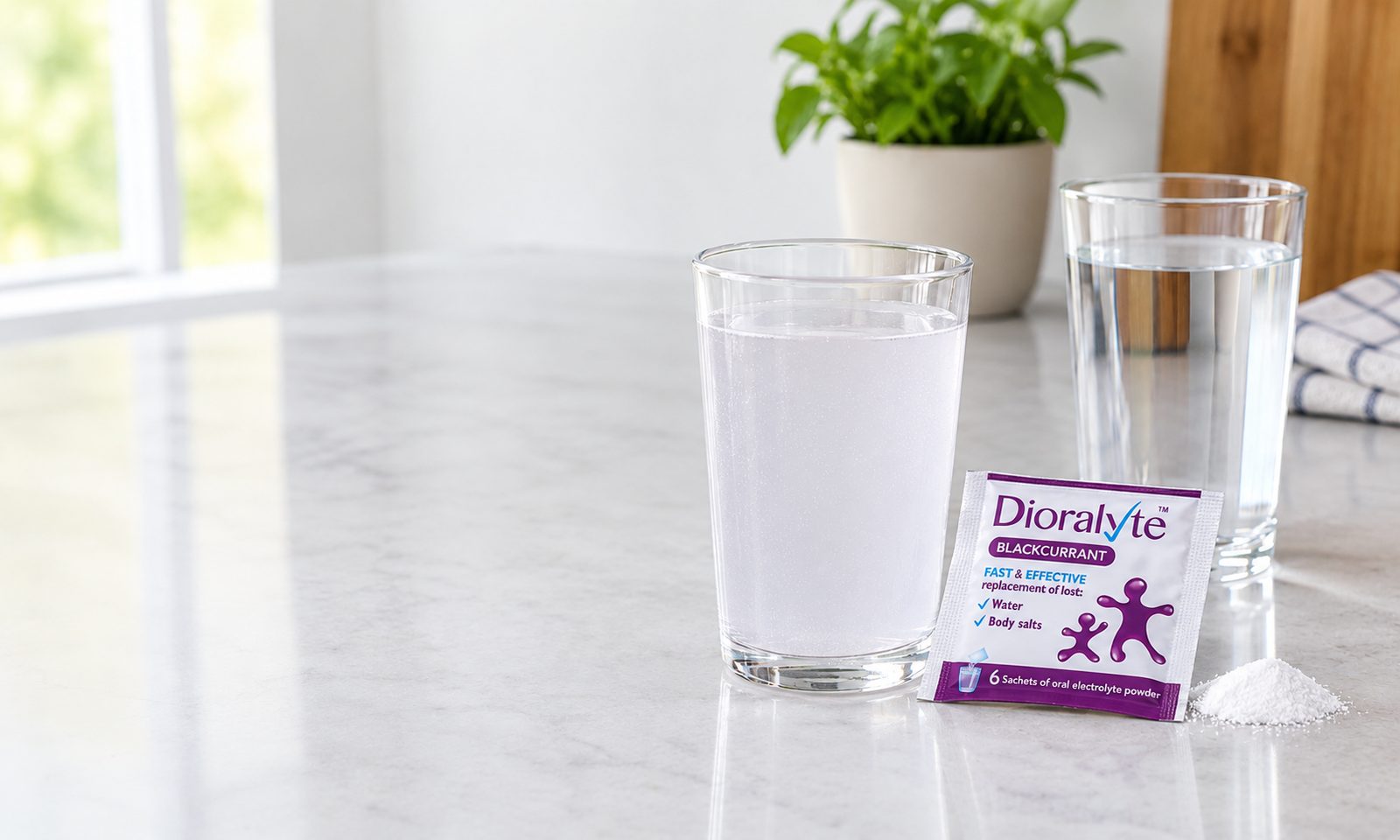
Can You Take Dioralyte Without Diarrhea? Yes, you can take Dioralyte without diarrhea when you need to replace lost fluids and electrolytes. It’s an oral rehydration solution that can help with dehydration caused by things like vomiting, heavy sweating, or heat—not just diarrhea.
That said, Dioralyte is not something most people need to drink simply for everyday hydration. If you are healthy, eating normally, and drinking enough fluids, plain water and your usual drinks are generally enough. The more useful question is why you want to take Dioralyte without diarrhea.
What Is Dioralyte Used For?
Dioralyte is a powder that is mixed with water to make an oral rehydration solution containing glucose and electrolytes such as sodium and potassium. These ingredients help the body replace fluid and salts that have been lost.
It is commonly associated with diarrhea because diarrhea can cause substantial fluid and electrolyte loss. However, dehydration can happen for other reasons too, including vomiting, heavy sweating, hot weather, fever, or strenuous exercise. The NHS recommends paying particular attention to fluid replacement when the body is losing more fluid than usual.
Can You Take Dioralyte Without Diarrhea?
Yes, but whether you should depends on the reason. Dioralyte is intended for correcting fluid and electrolyte loss, so diarrhea is not the only situation in which an oral rehydration solution may be appropriate. For example, someone who has been vomiting or has become dehydrated after significant fluid loss may sometimes need an ORS.
If you simply want something to drink because you feel thirsty, however, Dioralyte usually isn’t necessary. Water and normal fluids are generally suitable for routine hydration.
When Might Dioralyte Be Helpful Without Diarrhea?
One situation is vomiting, particularly when someone has struggled to keep enough fluids down. The NHS notes that dehydration can occur when you are being sick and recommends taking fluids in small sips if drinking is difficult.
Another situation is heavy sweating. Hot weather, strenuous physical activity, or prolonged exercise can cause the body to lose water and electrolytes through sweat. In some circumstances, an oral rehydration solution may be useful, although ordinary water and a normal diet may be enough for many people.
Do You Need Dioralyte for Everyday Hydration?
Usually, no. If you are not losing unusual amounts of fluid and you have no signs of dehydration, taking Dioralyte routinely is generally unnecessary. The NHS recommends drinking fluids regularly and increasing fluid intake when there is a greater risk of dehydration, such as during illness, hot weather, or exercise.
Think of Dioralyte as a rehydration product rather than a general-purpose health drink. It contains specific amounts of glucose and electrolytes to help replace losses, so there is little reason to use it simply because you want to drink more fluids.
What If You Feel Dehydrated but Don’t Have Diarrhea?
If you feel dehydrated without diarrhea, first consider what may have caused the fluid loss. Vomiting, fever, excessive sweating, hot weather, strenuous exercise, and not drinking enough can all contribute to dehydration.
Common signs include thirst, a dry mouth, tiredness, dizziness, dark yellow urine, and urinating less often than usual. If these symptoms are significant, an oral rehydration solution may be appropriate depending on the situation.
Can You Take Dioralyte After Vomiting?
Dioralyte may be useful after vomiting when fluid and electrolyte replacement is needed. Oral rehydration solutions are specifically used to help prevent or treat dehydration associated with vomiting and other fluid losses.
If you feel sick, drinking a large amount at once can be difficult. Small, frequent sips are generally easier to tolerate. If you keep vomiting and cannot keep fluids down, you should seek medical advice rather than relying on Dioralyte alone.
Can You Take Dioralyte for Dehydration From Heat?
It can be considered when heat exposure has caused significant fluid and electrolyte loss. The NHS identifies hot environments and heavy sweating from exercise as causes of dehydration and recommends increasing fluid intake when the risk of dehydration is higher.
For mild thirst after spending a short time in warm weather, you may simply need water and a normal meal. If you have been sweating heavily for a prolonged period or have clear signs of dehydration, getting advice from a pharmacist or healthcare professional can help determine whether an ORS is suitable.
How Should Dioralyte Be Mixed?
For standard Dioralyte Citrus sachets, each sachet should be dissolved in 200 ml of drinking water. The product information specifically warns against making the solution weaker or stronger than recommended because changing the concentration can affect the intended balance of glucose and electrolytes.
This is important even if you are taking Dioralyte for a reason other than diarrhea. Don’t simply add a sachet to a large bottle of water and assume that more diluted is better. Follow the instructions for the particular Dioralyte product you have purchased.
Does Dioralyte Contain Salt?
Yes. Dioralyte contains electrolytes including sodium and potassium, along with glucose. For example, a standard Dioralyte Citrus sachet contains approximately 300 mg of sodium.
That is one reason it shouldn’t automatically be treated like ordinary drinking water. The sodium and other electrolytes have a purpose when the body has lost fluids and salts, but they are not necessarily needed when you are already adequately hydrated.
Who Should Ask a Doctor Before Taking Dioralyte?
Some people should get medical advice before using Dioralyte rather than treating themselves. The product information specifically advises medical supervision for people with conditions such as kidney or liver disease, diabetes, an intestinal obstruction, or those following low-sodium or low-potassium diets.
This matters because the electrolytes in an oral rehydration solution can be affected by certain medical conditions. If you take regular medicines or have a condition that affects your fluid or electrolyte balance, a pharmacist or doctor can help you decide whether Dioralyte is appropriate.
Can You Take Dioralyte Just Because You Feel Weak?
Feeling weak does not automatically mean you are dehydrated. Tiredness can have many causes, including poor sleep, not eating enough, illness, stress, or other medical issues. Dioralyte may help if weakness is actually related to fluid or electrolyte loss, but it is not a general treatment for unexplained tiredness.
If weakness is persistent, severe, or accompanied by symptoms such as dizziness, confusion, very little urine, or difficulty staying awake, medical advice is more appropriate than simply taking an ORS. Severe dehydration can require urgent treatment.
Is Dioralyte Safe Without Diarrhea?
For many healthy people, an appropriately prepared oral rehydration solution can be used when fluid and electrolyte replacement is genuinely needed. However, the absence of diarrhea does not automatically mean you should take it, and having diarrhea is not the only factor that determines whether it is suitable.
The key is the reason for taking it. If you have lost fluids through vomiting, heavy sweating, heat exposure, or another situation, Dioralyte may have a role. If you are simply thirsty and otherwise well, water is usually the simpler choice.
What Are the Signs That You May Need Rehydration?
Signs of dehydration can include thirst, a dry mouth or lips, dark yellow urine, urinating less frequently, tiredness, dizziness, and light-headedness. More serious dehydration can cause confusion, unusual sleepiness, rapid breathing, or a fast heart rate.
Don’t ignore severe symptoms. If someone with suspected dehydration becomes confused, is difficult to wake, has serious breathing difficulties, or shows signs of shock, urgent medical attention is needed.
Conclusion
So, can you take Dioralyte without diarrhea? Yes, potentially, if you need to replace fluids and electrolytes for another reason. Diarrhea is one important use, but Dioralyte’s product information also describes it more broadly for correction of fluid and electrolyte loss.
If you’re simply looking for everyday hydration and haven’t lost significant fluid, you probably don’t need it. If you’re dehydrated because of vomiting, heavy sweating, heat, or another cause, an ORS may be useful. When in doubt—especially if you have kidney disease, liver disease, diabetes, or another condition affecting fluid balance—ask a pharmacist or doctor before using it.
Frequently Asked Questions
1. Can you take Dioralyte if you don’t have diarrhea?
Yes. Dioralyte is used to correct fluid and electrolyte loss, and diarrhea is not the only possible cause of dehydration. However, it is usually unnecessary for routine hydration when you are healthy and adequately hydrated.
2. Can I take Dioralyte for vomiting?
An oral rehydration solution can be useful when vomiting causes fluid loss. If you are vomiting, small frequent sips may be easier to tolerate. If you cannot keep fluids down, seek medical advice.
3. Can you drink Dioralyte when dehydrated?
Yes, Dioralyte can be used to replace fluids and electrolytes when appropriate. However, the cause and severity of dehydration matter, and severe dehydration may require medical treatment.
4. Can I drink Dioralyte every day?
Routine daily use is generally unnecessary if you are eating and drinking normally and have no unusual fluid losses. Dioralyte is formulated for fluid and electrolyte replacement rather than ordinary daily hydration.
5. Can Dioralyte help after heavy sweating?
It may help replace fluids and electrolytes after significant sweating, particularly in circumstances involving prolonged exercise or heat exposure. For ordinary hydration, water and normal fluids may be sufficient.
Read also: Cholerhiasis Symptoms, Causes, Treatment, and Diet


One thought on “Can You Take Dioralyte Without Diarrhea?”