What to eat when you have diarrhea? Learn which foods and drinks may help, what to avoid, and how to stay hydrated while your body recovers. Knowing what to eat when you have diarrhea can make an uncomfortable day a little easier. When your digestive system is upset, heavy, greasy, spicy, or highly sugary foods may make symptoms worse. The better approach is to choose simple foods that are easy to digest while drinking enough fluids to replace what your body loses.
The good news is that you usually do not need to stop eating altogether. Small meals containing gentle foods can provide energy while your stomach and intestines recover. Your food choices may also need to change depending on how severe your diarrhea is and whether you have other symptoms such as vomiting, fever, or stomach cramps.
What to Eat When You Have Diarrhea?
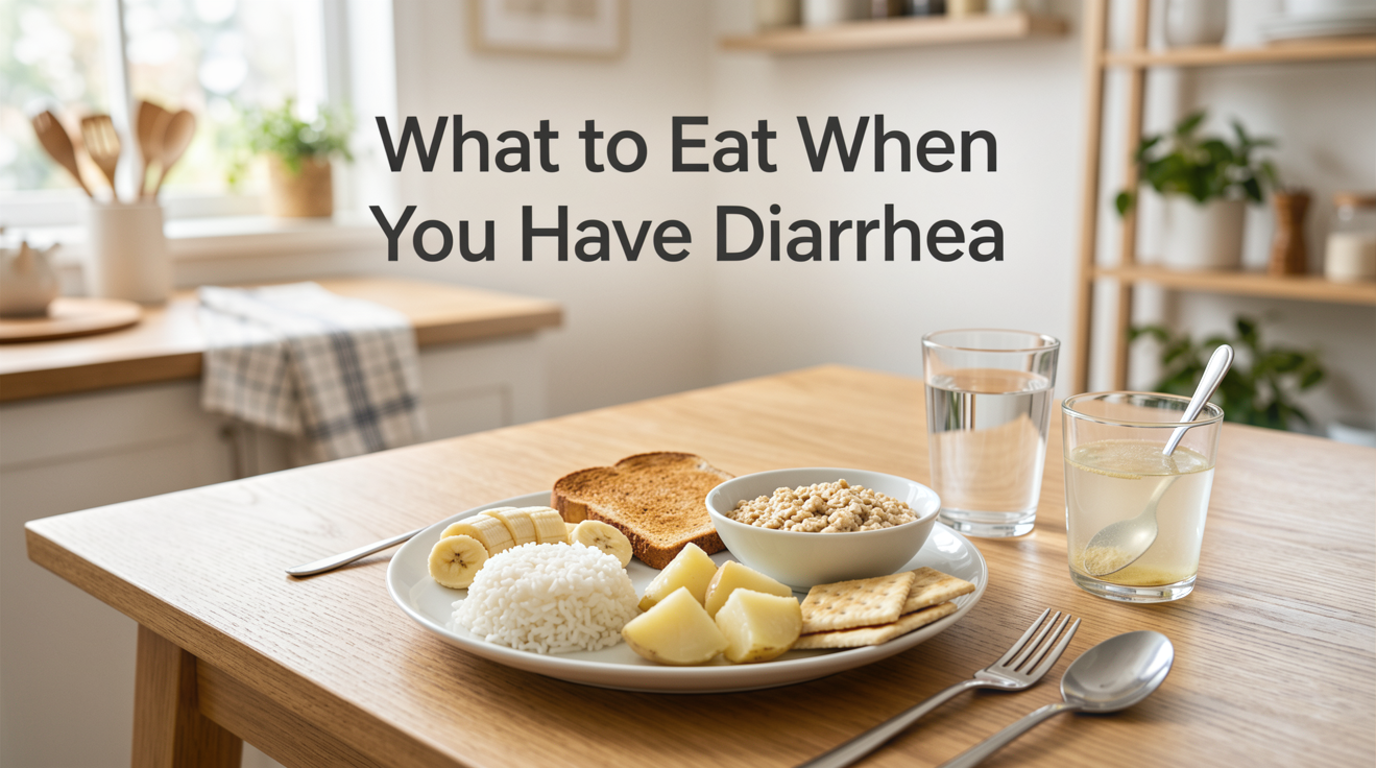
When you have diarrhea, choose foods that are mild, relatively low in fat, and easy to digest. Good options include bananas, white rice, toast, oatmeal, boiled potatoes, applesauce, plain crackers, broth, and simply cooked chicken or eggs when you are ready for more substantial food. Start with small portions rather than eating a large meal at once, and pay attention to how your body responds.
1. Bananas
Bananas are a convenient choice when you have diarrhea because they are soft, easy to eat, and provide potassium. Potassium is an electrolyte that can be lost through frequent loose stools. A ripe banana can work well as a small snack or can be added to plain oatmeal for a more filling meal.
2. White Rice
Plain white rice is another simple food that many people tolerate well during diarrhea. It is low in fiber compared with brown rice and does not contain much fat when prepared without oil or heavy sauces. Try eating a small bowl of plain rice with a little salt, especially when your appetite is reduced.
3. Toast and Plain Bread
Dry toast or plain white bread can be useful when you want something light but need a little energy. Avoid adding large amounts of butter, cream cheese, chocolate spread, or other high-fat toppings while your digestive system is unsettled. If toast feels comfortable, you can gradually add other mild foods as you recover.
4. Oatmeal
Plain oatmeal can be a good breakfast choice because oats contain soluble fiber. Soluble fiber absorbs water and can help make stool more formed for some people. Prepare oatmeal with water and keep it simple at first, avoiding large amounts of sugar, cream, or rich toppings.
5. Boiled Potatoes
Plain boiled potatoes can provide carbohydrates without being too heavy on the stomach. Remove or avoid rich toppings such as butter, cheese, cream, and spicy sauces while symptoms are active. A small serving with a little salt may be easier to tolerate than fried potatoes or heavily seasoned dishes.
6. Applesauce
Applesauce is soft and relatively easy to eat when you do not feel like having a full meal. Choose plain applesauce without added sugar when possible. Large amounts of sugary foods can sometimes worsen diarrhea, so keeping portions moderate is sensible.
7. Plain Crackers
Plain crackers can be helpful when you want a small snack between meals. They are particularly useful if your appetite is low and you need something simple to eat. Choose crackers that are not heavily seasoned, spicy, or high in fat.
8. Broth and Light Soup
Broth-based soups can provide fluid and some sodium, which may be helpful when diarrhea causes fluid and electrolyte losses. Keep the soup simple and avoid very oily, spicy, or creamy varieties. A light chicken soup with rice or potatoes may be a comfortable option once you can tolerate more food.
Can You Eat Chicken When You Have Diarrhea?
You can generally eat simply prepared chicken if you feel ready for solid protein. Choose skinless chicken that has been boiled, baked, or otherwise cooked without much oil or seasoning. Avoid fried chicken, creamy sauces, and heavily spiced preparations until your digestive symptoms settle.
Can You Eat Eggs During Diarrhea?
Eggs may be suitable for some people with diarrhea, particularly when they are simply cooked. Boiled or lightly scrambled eggs can provide protein without being especially heavy. If eggs seem to make your symptoms worse, leave them out temporarily and try them again after your digestion has improved.
What to Drink When You Have Diarrhea
Replacing fluids is one of the most important parts of managing diarrhea because frequent loose stools can cause dehydration. Drink water regularly and consider an oral rehydration solution, especially if diarrhea is frequent or you are also vomiting. Broth can provide additional fluid and sodium, while small, frequent sips may be easier to tolerate than drinking a large amount at once.
Is ORS Good for Diarrhea?
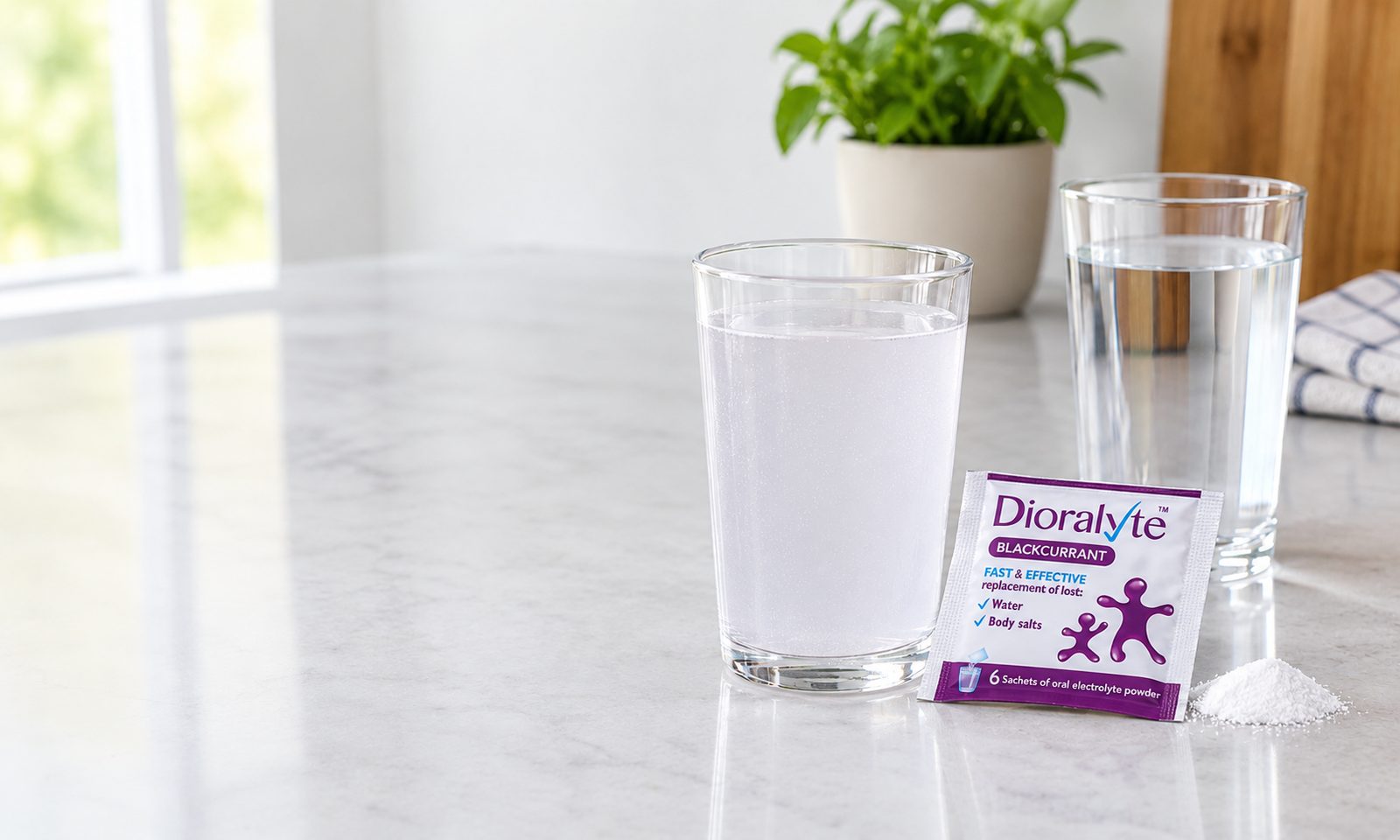
Oral rehydration solution, commonly called ORS, is designed to replace water and important electrolytes lost through diarrhea and vomiting. It can be particularly useful when fluid losses are significant. Follow the preparation instructions on the specific ORS product rather than making it stronger or weaker than directed.
Foods to Avoid During Diarrhea
Some foods can irritate the digestive system or make loose stools worse. For a short time, it is often sensible to avoid fried and greasy foods, very spicy meals, alcohol, large amounts of caffeine, and highly sugary drinks. Dairy products may also cause problems for some people temporarily, particularly if diarrhea has affected their ability to digest lactose.
Should You Avoid Milk During Diarrhea?
Milk does not necessarily need to be avoided by everyone, but some people temporarily become more sensitive to lactose after an episode of diarrhea. If milk, ice cream, or other dairy products increase bloating, cramps, or loose stools, avoid them for a while and try them again after your digestion returns to normal. Yogurt may be tolerated differently by some people, but individual response matters.
Can You Eat Spicy Food With Diarrhea?
Spicy foods are usually best avoided while diarrhea is active. Ingredients that make food hot can irritate the digestive tract in some people and may increase discomfort or urgency. Once your bowel movements return to normal and your stomach feels settled, you can gradually return to your usual level of spice.
Can You Drink Coffee When You Have Diarrhea?
It is usually better to limit coffee while you have diarrhea because caffeine can stimulate bowel activity in some people. Coffee can also make it harder to maintain hydration if you are already losing significant amounts of fluid. If you normally drink coffee every day, a temporary reduction may be easier on your digestive system.
What to Eat After Diarrhea Starts Improving
As your symptoms improve, you can slowly return to your normal diet rather than staying on bland foods for too long. Start adding foods such as cooked vegetables, lean protein, eggs, rice, pasta, bread, and other familiar foods that you tolerate well. There is no need to keep your diet extremely restricted once your appetite and bowel movements are returning to normal.
How Much Should You Eat?
Large meals may feel uncomfortable when your digestive system is still recovering, so smaller meals can be easier to manage. Instead of forcing yourself to eat a full breakfast, lunch, and dinner, try several modest meals or snacks throughout the day. Let your appetite guide you, but continue paying attention to fluid intake even when you do not feel hungry.
A Simple One-Day Food Plan for Diarrhea
A simple day might start with plain oatmeal and a banana, followed by crackers or toast as a snack. Lunch could be plain white rice with simply cooked chicken, while a light broth-based soup or boiled potato could work later in the day. Choose water or an appropriate oral rehydration solution throughout the day, and adjust portions based on your appetite and symptoms.
What If You Also Have Vomiting?
If diarrhea is accompanied by vomiting, staying hydrated can become more difficult. Rather than drinking a large amount at once, take small, frequent sips of water or oral rehydration solution and gradually increase the amount if it stays down. Once vomiting settles, begin with small portions of simple foods and slowly return to a more normal diet.
When Should You Seek Medical Help?
Diarrhea is often short-lived, but certain symptoms require medical attention. Seek prompt medical care if you have signs of significant dehydration, blood or black stools, severe or persistent abdominal pain, repeated vomiting that prevents you from keeping fluids down, or a high fever. Infants, older adults, and people with certain medical conditions can become dehydrated more quickly and may need medical advice sooner.
How Long Should You Follow a Bland Diet?
A very restrictive bland diet is generally not necessary for a prolonged period. Once diarrhea begins improving and you can tolerate food comfortably, gradually return to your normal balanced diet. Continuing to eat a variety of nutritious foods can help you maintain energy while your body finishes recovering.
Conclusion
When deciding what to eat when you have diarrhea, keep things simple: choose gentle foods such as bananas, white rice, toast, oatmeal, potatoes, applesauce, crackers, broth, and simply cooked lean protein. More importantly, replace lost fluids and electrolytes with water and oral rehydration solution when appropriate. Avoid foods that clearly make your symptoms worse, and gradually return to your normal diet as you feel better.
FAQs
1. What is the best food to eat when you have diarrhea?
Simple foods such as bananas, white rice, toast, oatmeal, boiled potatoes, applesauce, and plain crackers are commonly easier to tolerate during diarrhea. Small portions may be more comfortable than large meals.
2. Can I eat eggs when I have diarrhea?
Yes, many people can tolerate simply cooked eggs during diarrhea. Boiled or lightly scrambled eggs are preferable to eggs prepared with large amounts of butter, oil, or heavy sauces.
3. What should I drink when I have diarrhea?
Water and oral rehydration solution are useful choices. ORS can help replace water and electrolytes lost through frequent diarrhea, while broth can provide additional fluid and sodium.
4. Should I avoid dairy during diarrhea?
Not everyone needs to avoid dairy, but some people temporarily have difficulty digesting lactose after diarrhea. If dairy causes bloating, cramps, or worse diarrhea, consider avoiding it temporarily.
5. Can I eat spicy food when I have diarrhea?
It is usually better to avoid spicy foods while symptoms are active because they may increase digestive discomfort or bowel urgency in some people. You can gradually return to spicy foods after recovery.

One thought on “What to Eat When You Have Diarrhea and What to Avoid?”