
Dioralyte side effects are generally not a major concern for most people when the product is prepared and used correctly. Dioralyte is an oral rehydration solution designed to replace water and important salts lost through diarrhoea or vomiting. Official product information does not list specific adverse effects for standard Dioralyte formulations, but some people may experience stomach discomfort, nausea, bloating, or other symptoms while drinking an oral rehydration solution.
What Is Dioralyte?
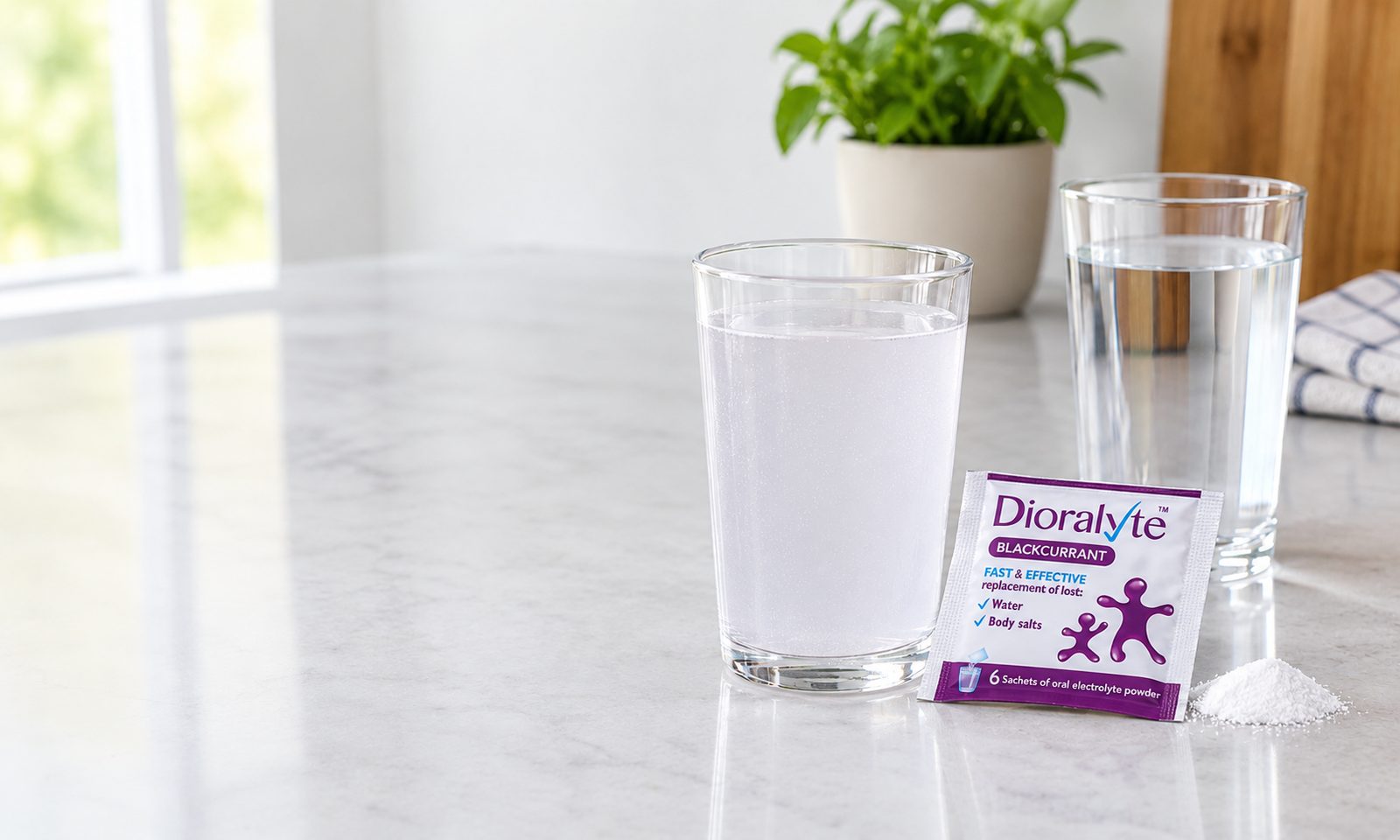
Dioralyte is an oral rehydration powder that is mixed with water to help replace fluids and electrolytes lost from the body. Standard formulations contain ingredients such as glucose, sodium chloride, potassium chloride, and disodium hydrogen citrate. The glucose and salts work together to help the body absorb water more effectively during fluid loss.
What Is Dioralyte Used For?
Dioralyte is mainly used to help correct fluid and electrolyte loss caused by diarrhoea and similar illnesses. When you have repeated watery stools or vomiting, you lose more than just water—you can also lose sodium, potassium, and other electrolytes. Replacing these losses is why an oral rehydration solution can be useful when ordinary drinks may not provide the right balance of fluids and salts.
Are Dioralyte Side Effects Common?
For standard Dioralyte products, the official product information does not state any known undesirable effects. That does not mean everyone will feel exactly the same after drinking it. Someone who is already experiencing diarrhoea, vomiting, dehydration, or stomach irritation may notice nausea, bloating, abdominal discomfort, or vomiting while taking an oral rehydration solution.
Can Dioralyte Cause Nausea?
Nausea can occur while taking oral rehydration salts, particularly when the stomach is already unsettled. It can be difficult to drink a large amount at once when you feel sick, so taking small, frequent sips may be easier to tolerate. The Dioralyte product information specifically recommends small but frequent amounts when nausea and vomiting occur alongside diarrhoea.
Can Dioralyte Cause Vomiting?
Dioralyte is not intended to cause vomiting, but someone who already has gastroenteritis or another illness may vomit after drinking it. If you repeatedly vomit the solution and cannot keep fluids down, dehydration can become more serious. In that situation, medical advice is important rather than simply continuing to drink larger amounts.
Can Dioralyte Cause Stomach Pain?
Some people may notice stomach discomfort or pain while drinking oral rehydration salts, although stomach pain is not listed as a specific adverse effect for standard Dioralyte in the official product information. More importantly, significant or worsening abdominal pain should not automatically be blamed on Dioralyte because it can be a sign of the underlying illness or, in some cases, another condition that needs assessment.
Can Dioralyte Cause Bloating?
Bloating or a feeling of fullness may occur when drinking fluids during an episode of diarrhoea or vomiting. NHS hospital guidance for oral rehydration salts advises contacting a medical team if someone cannot tolerate the solution and develops symptoms such as bloating, stomach pain, vomiting, or feeling worse after drinking it.
Can Dioralyte Cause Diarrhoea?
Dioralyte is normally taken because diarrhoea has caused fluid and electrolyte loss, rather than being used to stop diarrhoea itself. Its purpose is to replace what the body has lost. If diarrhoea continues, becomes severe, or does not improve within the timeframe stated in the product information, medical assessment may be needed rather than relying on Dioralyte alone.
What Happens If Dioralyte Is Mixed Incorrectly?
This is one of the most important safety points. Each standard Dioralyte sachet should be dissolved in 200 ml of water, according to the product information. Using too little water can make the solution too concentrated and may cause an electrolyte imbalance, while using too much water means the solution may not contain the intended concentration of glucose and electrolytes.
Why Is the Correct Amount of Water Important?
Dioralyte is formulated with a specific balance of glucose and electrolytes, so the amount of water matters. It may be tempting to mix the powder into a smaller glass when you are in a hurry, but that changes the concentration of the solution. Following the instructions on the particular Dioralyte package is therefore an important part of using it safely.
Can You Mix Dioralyte With Juice or Other Drinks?
Standard Dioralyte should be prepared with water rather than another drink or diluent. The official product information states that it should not be reconstituted in diluents other than water. If you are unsure about how to prepare a particular formulation, check the package instructions or ask a pharmacist.
Can Too Much Dioralyte Be Harmful?
Taking more than recommended can potentially disturb the body’s electrolyte balance, particularly if the solution is prepared incorrectly or someone has a condition that affects fluid or electrolyte handling. Dioralyte contains sodium and potassium, so it should not simply be treated like ordinary water. People with certain medical conditions may need professional advice before using it.
Dioralyte and Sodium
Dioralyte contains sodium because sodium is one of the electrolytes lost during diarrhoea and vomiting. For example, the standard Dioralyte Natural formulation contains approximately 300 mg of sodium per sachet. This is useful for replacing losses, but it also means people following a medically advised low-sodium diet should speak with a doctor or pharmacist before self-treating with Dioralyte.
Dioralyte and Potassium
Potassium is another important electrolyte found in Dioralyte. It helps replace potassium that may be lost during fluid loss, but people with kidney problems or conditions affecting potassium levels may need medical supervision. This is particularly important because the kidneys play a major role in maintaining the body’s potassium balance.
Who Should Be Careful With Dioralyte?
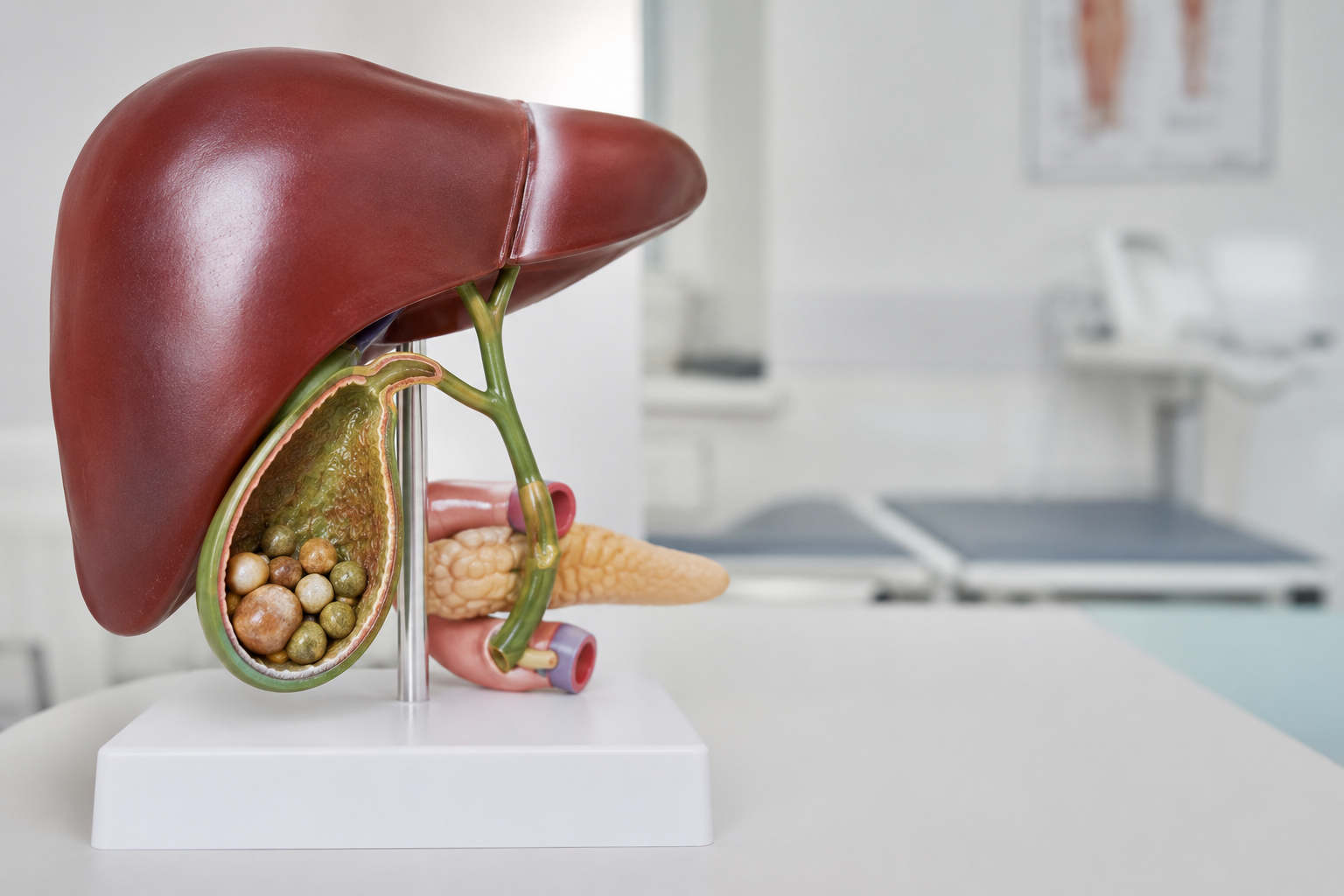
People with kidney or liver disease, diabetes, chronic or persistent diarrhoea, an intestinal obstruction, or those following a low-potassium or low-sodium diet should seek medical advice before using standard Dioralyte for self-treatment. The product information also recommends medical supervision in several of these situations because the usual balance of fluids and electrolytes may not be appropriate for everyone.
Dioralyte for Babies and Children
Extra care is needed when giving oral rehydration products to young children. The standard Dioralyte information states that infants under two years with diarrhoea should be assessed by a doctor as soon as possible and that children under two should not be treated with Dioralyte for self-treatment without medical supervision. Some Dioralyte Relief formulations have different age restrictions, so parents should always check the exact product information rather than assuming every version is the same.
Dioralyte During Pregnancy
Dioralyte is not generally listed as contraindicated during pregnancy, but the official information recommends medical supervision during pregnancy and breastfeeding. This is sensible because persistent vomiting or diarrhoea during pregnancy can lead to dehydration and may require assessment of the underlying cause.
Dioralyte and Allergic Reactions
An allergic reaction to ingredients is possible, although it is not a common expected reaction. Some Dioralyte formulations contain ingredients such as potassium chloride, sodium chloride, glucose, and citrate compounds, while specific Relief products can contain additional ingredients. Signs of a serious allergic reaction can include swelling of the face, lips, tongue, or throat and difficulty breathing or swallowing, which require urgent medical attention.
When Should You Stop Taking Dioralyte?
If drinking Dioralyte consistently makes you feel worse, causes significant discomfort, or you cannot keep the solution down because of repeated vomiting, seek medical advice. NHS guidance for oral rehydration salts specifically advises contacting a medical team when the solution cannot be tolerated or symptoms such as vomiting, stomach pain, bloating, or feeling generally unwell develop after drinking it.
Signs of Dehydration to Watch For
The main reason people use Dioralyte is to prevent or correct dehydration, so knowing the warning signs matters. Feeling very thirsty, having a dry mouth, passing much less urine than usual, dizziness, unusual weakness, or increasing drowsiness can be concerning, especially after repeated diarrhoea or vomiting. Severe dehydration can become an emergency, so worsening symptoms should not be managed with Dioralyte alone.
When Should You See a Doctor?
Persistent diarrhoea, severe vomiting, worsening abdominal pain, blood in the stool, confusion, severe weakness, or an inability to keep fluids down are reasons to seek medical advice. The standard Dioralyte product information advises medical assessment when diarrhoea continues beyond 24–48 hours, while specific Dioralyte Relief formulations may give different time limits, so always follow the instructions for the exact product you are using.
How to Take Dioralyte Safely
The simplest rule is to follow the instructions printed on your specific product. For standard Dioralyte Natural, one sachet is dissolved in 200 ml of water, and the solution should be prepared as directed rather than made stronger or weaker. If nausea or vomiting is present, small, frequent sips can be easier to tolerate than drinking a large amount at once.
Can You Drink Dioralyte Too Quickly?
There is usually little advantage in forcing down a large amount of oral rehydration solution at once, particularly when you feel nauseated. Small, regular sips may be more comfortable and can help you keep the fluid down. If vomiting continues despite taking small amounts, however, professional medical advice is more appropriate than repeatedly trying to replace the lost fluid on your own.
How Long Does Prepared Dioralyte Last?
Prepared Dioralyte should be handled according to the instructions on the package. If you are following a clinical oral rehydration plan, NHS guidance commonly recommends preparing fresh solution and discarding leftover solution after 24 hours. For everyday use, checking the exact product label is the safest approach because instructions can vary between formulations.
Dioralyte Side Effects vs Symptoms of Dehydration
It is easy to assume that every uncomfortable symptom after taking Dioralyte is a side effect, but the illness itself may be responsible. Diarrhoea and vomiting can cause nausea, cramps, weakness, dizziness, and stomach discomfort before Dioralyte is even taken. If symptoms are worsening rather than improving, consider the possibility of ongoing dehydration or another underlying problem and seek medical advice when appropriate.
Is Dioralyte Safe for Most People?
For most people who use the correct product as directed, Dioralyte is a commonly used way to replace fluids and electrolytes lost through diarrhoea and vomiting. The standard product information does not list specific undesirable effects, but correct preparation is important and certain medical conditions require professional supervision.
What This Means for Dioralyte Users
The biggest takeaway about Dioralyte side effects is that the product itself is generally well tolerated, but it still needs to be used correctly. Do not make the solution stronger than directed, pay attention to symptoms that are getting worse, and seek medical advice if vomiting prevents you from keeping fluids down or diarrhoea persists. People with kidney or liver disease, diabetes, electrolyte problems, or medically restricted sodium or potassium intake should ask a healthcare professional before self-treating.
Conclusion
Dioralyte is generally well tolerated when used correctly, and the official information for standard formulations does not list specific adverse effects. Still, nausea, vomiting, bloating, and stomach discomfort can be difficult for some people to tolerate, especially when they are already suffering from diarrhoea or vomiting. The most important safety step is to prepare the solution exactly as directed and avoid making it stronger or weaker. If symptoms are severe, dehydration is worsening, or you cannot keep fluids down,
Frequently Asked Questions
1. What are the common side effects of Dioralyte?
Official product information for standard Dioralyte does not list specific undesirable effects. However, some people may find oral rehydration solution difficult to tolerate and experience nausea, vomiting, bloating, or stomach discomfort, particularly when they are already unwell.
2. Can Dioralyte make you feel sick?
It can be difficult to tolerate when you already have nausea or vomiting. Taking small, frequent sips rather than drinking a large amount quickly may help. If you cannot keep the solution down, seek medical advice.
3. Can Dioralyte cause stomach pain?
Stomach discomfort may occur while taking oral rehydration salts, but significant stomach pain should not automatically be considered a Dioralyte side effect. Persistent or severe pain needs medical assessment.
4. What happens if I make Dioralyte too strong?
A solution made with too little water can be overly concentrated and may contribute to an electrolyte imbalance. Standard Dioralyte should be dissolved in the amount of water specified in the product instructions, which is 200 ml per sachet for the standard formulation cited here.
5. Can children take Dioralyte?
Some Dioralyte products are used in children, but age restrictions and instructions vary by formulation. Young children with diarrhoea need particular care, and the standard product information advises medical assessment for children under two years.
6. Can I take Dioralyte if I have kidney problems?
You should speak with a doctor or pharmacist first. Dioralyte contains sodium and potassium, and kidney disease can affect how the body handles electrolytes. Standard product information advises medical supervision for people with kidney or liver disease.
7. How long can I take Dioralyte?
Dioralyte is intended to replace fluid and electrolyte losses rather than treat the underlying cause of persistent diarrhoea. If diarrhoea continues for longer than the timeframe stated in your product information, you should seek medical advice rather than continuing self-treatment indefinitely.
Read also: How Many Dioralyte Can You Take in a Day?

One thought on “Dioralyte Side Effects and Safety Guide”