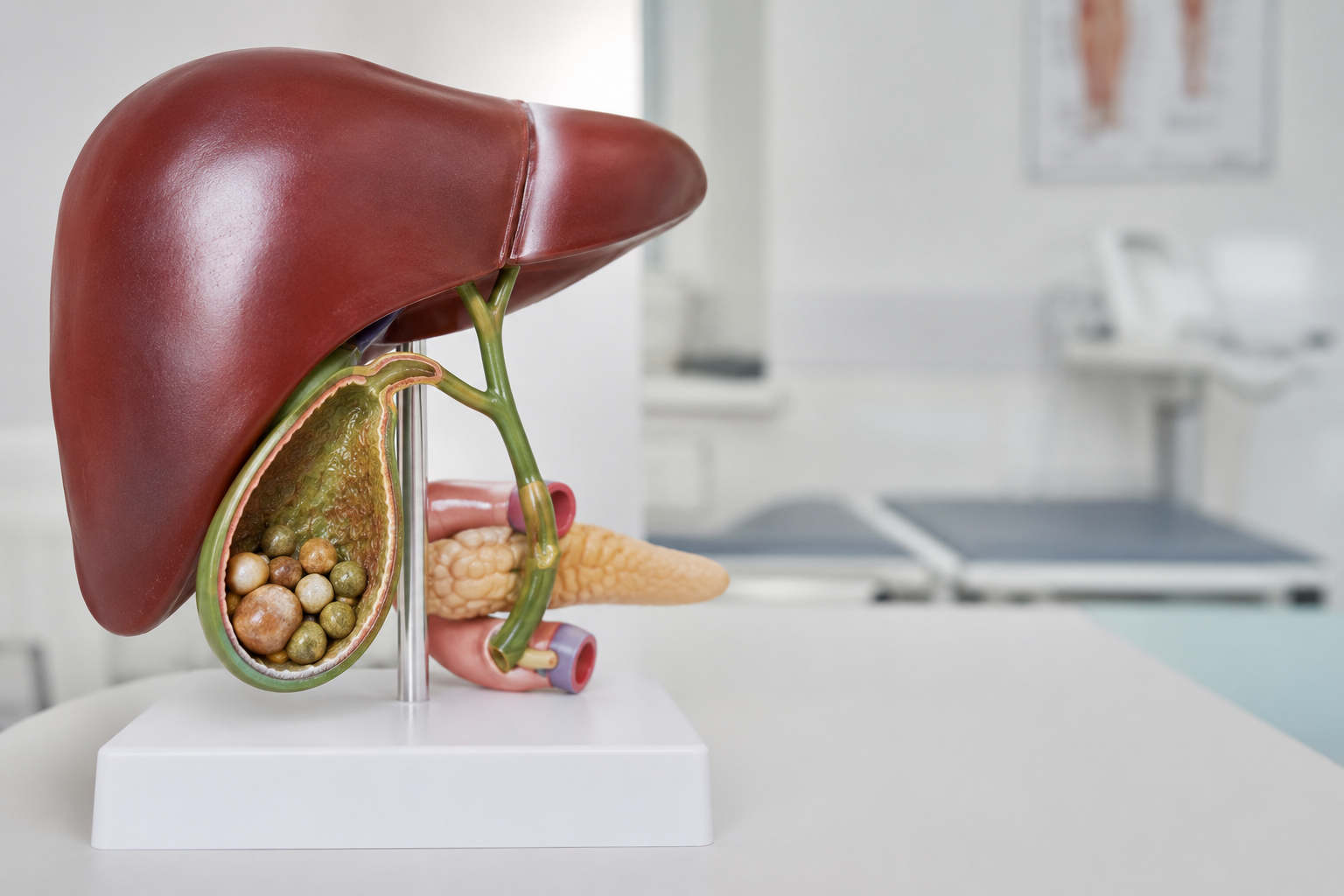
Cholerhiasis refers to gallstones. These hard deposits form in the gallbladder and can sometimes block the flow of bile, causing pain and other digestive symptoms.
Gallstones can develop when the substances that make up bile become unbalanced. The two main types are cholesterol stones and pigment stones. Cholesterol stones are generally made mostly of hardened cholesterol, while pigment stones contain bilirubin. A person may develop one stone, several stones, or many small stones.
What Causes Cholerhiasis?
Gallstones can form when bile contains too much cholesterol, too much bilirubin, or too little bile salt. Another factor may be the gallbladder not emptying completely or often enough. Researchers do not always know exactly why these changes occur, which is why gallstones can develop in people with very different lifestyles and health backgrounds.
Weight and diet can also play a role. Being overweight can increase the likelihood of gallstones, while losing weight very quickly can also raise the risk. Very low-calorie diets and rapid weight loss after weight-loss surgery have been associated with gallstone formation.
Who Is More Likely to Develop Gallstones?
Gallstones can affect many different people, but certain factors increase the risk. Age, family history, obesity, certain medical conditions, pregnancy-related hormonal changes, and rapid weight loss can all contribute to a higher chance of developing gallstones. Women also have a greater risk than men, partly because of hormonal factors.
Some health conditions are associated with gallstones as well. These include diabetes, insulin resistance, certain intestinal diseases, cirrhosis, some forms of anemia involving increased red blood cell breakdown, and abnormalities involving blood fats. Having one of these risk factors does not mean that a person will definitely develop gallstones, but it can increase susceptibility.
What Do Gallstones Feel Like?
Many people with gallstones have no symptoms at all. These are often called silent gallstones, and they may be discovered accidentally during an ultrasound or another examination. When stones do not block the bile ducts, they often do not interfere with the normal function of the gallbladder, liver, or pancreas.
When a stone blocks a bile duct, however, it can cause a gallbladder attack, sometimes called biliary colic. The pain commonly occurs in the upper-right abdomen and may last for several hours. Attacks can happen after a heavy meal and may occur during the evening or night.
Common Symptoms of Cholerhiasis
The most recognizable symptom is abdominal pain, particularly in the upper-right area beneath the ribs. Some people experience pain in the middle of the abdomen instead. Nausea and vomiting may occur during an attack, especially when the pain is intense.
A person can also experience symptoms when a gallstone moves into or blocks a bile duct. Persistent pain, fever, chills, yellowing of the skin or eyes, dark urine, and unusually pale stools can indicate a complication and should not be ignored.
Can Gallstones Cause Pain After Eating?
Yes, gallstone pain can occur after eating, particularly following a heavy meal. The gallbladder normally contracts to release bile when food enters the digestive system. If a stone interferes with the flow of bile, that contraction can contribute to a painful attack.
This does not mean that every episode of stomach pain after eating is caused by gallstones. Indigestion, reflux, ulcers, pancreatitis, and other digestive problems can produce similar symptoms. That is why recurring or unexplained abdominal pain deserves proper medical evaluation rather than self-diagnosis.
How Is Cholerhiasis Diagnosed?
Doctors usually diagnose gallstones by combining a person’s symptoms and medical history with a physical examination, blood tests, and imaging when appropriate. The goal is not only to identify stones but also to check whether there is inflammation, infection, or a blocked bile duct.
Ultrasound for Gallstones
An abdominal ultrasound is commonly used to look for gallstones. It is noninvasive and does not use radiation. Ultrasound can identify stones in the gallbladder and can also provide information about the gallbladder and surrounding structures.
Blood Tests
Blood tests cannot simply confirm every case of gallstones by themselves, but they can help doctors look for signs of inflammation or infection involving the gallbladder, bile ducts, liver, or pancreas. The results can be particularly useful when symptoms suggest that a stone may have caused a complication.
Other Imaging Tests
Depending on the situation, doctors may use CT scans, MRI-based imaging, or a HIDA scan to investigate gallbladder function or possible bile duct problems. ERCP is a more invasive procedure that can be used to locate and remove a stone lodged in the common bile duct.
Does Everyone With Cholerhiasis Need Treatment?
No. Gallstones that cause no symptoms often do not require treatment. If stones are discovered accidentally and are not causing problems, a healthcare professional may recommend observation rather than immediate surgery.
The situation changes when gallstones cause repeated attacks, significant symptoms, or complications. In those cases, treatment may be recommended to prevent further problems. The appropriate approach depends on the location of the stones, symptoms, overall health, and whether the bile ducts or other organs are affected.
Gallbladder Removal for Gallstones
The main treatment for symptomatic gallstones is cholecystectomy, which means surgical removal of the gallbladder. The most common approach is laparoscopic surgery, performed through small incisions using a camera and surgical instruments.
The gallbladder is not essential for normal life. After it is removed, the liver continues to produce bile, but the bile flows directly into the small intestine instead of being stored in the gallbladder. Most people can therefore live normally without a gallbladder.
What If a Gallstone Is Stuck in a Bile Duct?
A gallstone lodged in the common bile duct may require a procedure called endoscopic retrograde cholangiopancreatography, commonly known as ERCP. During ERCP, doctors use an endoscope passed through the mouth and digestive tract to access the bile duct and remove the obstructing stone.
ERCP is generally used selectively rather than as the routine treatment for every gallstone. It can be particularly useful when a stone has moved out of the gallbladder and become stuck in the bile duct. Treatment decisions are made according to the patient’s symptoms and test results.
Can Cholerhiasis Go Away on Its Own?
A gallstone itself does not necessarily disappear simply because symptoms stop. A gallbladder attack may end when a stone moves and stops blocking the duct, but this does not mean that the underlying gallstones are gone. People who have experienced one gallbladder attack may have further attacks.
For people with symptoms, doctors may therefore recommend further evaluation even if the pain has completely settled. Silent gallstones are different because they may remain without causing symptoms and often do not need treatment.
Cholerhiasis Diet: What Should You Eat?
There is no single diet that removes existing gallstones. However, maintaining a healthy eating pattern can support overall digestive and metabolic health and may help reduce the risk of developing gallstones. NIDDK recommends eating more fiber-rich foods such as fruits, vegetables, beans, peas, oats, brown rice, and whole-grain bread.
It is also sensible to limit foods high in refined carbohydrates, added sugar, and unhealthy fats, including many fried foods and desserts. Healthy fats such as those found in fish and olive oil can be included as part of a balanced eating plan.
Should You Avoid Fat With Gallstones?
Some people notice that fatty or heavy meals trigger their symptoms, so avoiding foods that repeatedly cause discomfort may help while they are waiting for medical assessment or treatment. However, completely eliminating dietary fat is not generally necessary for everyone with gallstones.
A more practical approach is to focus on balanced meals and pay attention to individual triggers. If eating a particular food consistently brings on severe pain, discuss that pattern with a healthcare professional rather than assuming the food itself is the cause of the gallstones.
Can Weight Loss Prevent Gallstones?
Maintaining a healthy weight can help reduce the risk of gallstones, but rapid weight loss can have the opposite effect. Losing weight very quickly can increase the likelihood of gallstone formation, especially during very-low-calorie diets or after certain weight-loss procedures.
If weight loss is needed, gradual and sustainable changes are generally more appropriate than extreme dieting. A healthcare professional or registered dietitian can help create a plan that supports weight management without unnecessarily increasing gallstone risk.
What Are the Complications of Cholerhiasis?
Gallstones can sometimes cause complications when they block the normal flow of bile. These complications can include inflammation of the gallbladder, infection or damage involving the bile ducts or liver, jaundice, and inflammation of the pancreas known as gallstone pancreatitis.
The important point is that complications can become serious. A person with gallstones should not assume that severe or persistent symptoms are simply another ordinary attack. Prompt medical assessment is important when warning signs appear.
When Should You Seek Urgent Medical Help?
Severe or persistent abdominal pain should be medically assessed, especially when it occurs with vomiting, fever, chills, or jaundice. Yellow skin or yellowing of the whites of the eyes can indicate impaired bile flow and needs prompt attention.
Pain that spreads toward the back together with vomiting, very severe abdominal pain, or signs of infection can also require urgent evaluation. These symptoms may indicate complications such as inflammation of the gallbladder or pancreas rather than an uncomplicated gallstone episode.
Can You Live Normally Without a Gallbladder?
Yes. The gallbladder stores bile, but it is not an essential organ. After gallbladder removal, bile continues to be produced by the liver and flows directly into the small intestine. This allows most people to continue living normally after surgery.
Some people experience temporarily softer or more frequent stools after surgery because bile reaches the intestine more continuously. These bowel changes are often temporary, although persistent symptoms should be discussed with a healthcare professional.
Cholerhiasis vs. Other Digestive Problems
Gallstone symptoms can overlap with several other digestive conditions. Upper abdominal pain, nausea, and vomiting can also occur with problems such as ulcers, reflux, pancreatitis, or other abdominal disorders. This is why symptoms alone cannot reliably establish that a person has gallstones.
A proper diagnosis matters because treatment varies significantly depending on the underlying cause. An ultrasound and appropriate laboratory testing can help doctors determine whether gallstones are present and whether they are causing inflammation or obstruction.
Conclusion
Cholerhiasis, understood here as gallstones, can range from completely symptom-free to a condition that causes severe abdominal pain and medical complications. The key difference is often whether a stone is blocking the normal flow of bile. Silent gallstones may require no treatment, while repeated attacks or complications may lead to recommendations for gallbladder removal.
If you have unexplained upper-right abdominal pain, particularly after meals, it is worth getting properly evaluated rather than assuming it is ordinary indigestion. And if pain is severe or persistent, or comes with fever, vomiting, jaundice, dark urine, or pale stools, seek medical care promptly.
This article is for general health information and does not replace diagnosis or treatment from a qualified healthcare professional.
Frequently Asked Questions About Cholerhiasis
Is Cholerhiasis the same as gallstones?
Yes. In this article, Cholerhiasis refers to gallstones, medically called cholelithiasis. Gallstones are hardened deposits that form in the gallbladder and may consist primarily of cholesterol or bilirubin.
What is the most common symptom of gallstones?
The classic symptom is pain in the upper-right or middle area of the abdomen. A gallbladder attack can last for several hours and may occur after a heavy meal. Nausea and vomiting can also occur.
Can gallstones cause back pain?
Gallstone pain is mainly felt in the abdomen, but it can sometimes spread toward the back or other areas. Severe abdominal pain that spreads to the back, especially with vomiting, should receive urgent medical attention because complications such as pancreatitis can occur.
Do silent gallstones need surgery?
Usually, gallstones that do not cause symptoms do not require treatment. However, individual circumstances can differ, so a healthcare professional should determine whether observation or treatment is appropriate.
Can diet dissolve gallstones?
Diet changes can support healthy weight management and may help reduce the risk of developing gallstones, but diet is not a reliable way to dissolve existing gallstones. In selected cases, doctors may use medicines such as ursodiol for certain cholesterol stones, although treatment can take months or years and stones can return.
Read also: Dioralyte and Imodium Together for Diarrhoea

One thought on “Cholerhiasis Symptoms, Causes, Treatment, and Diet”